
The #1 Way People Kill Moth Orchids (And How to Avoid It)
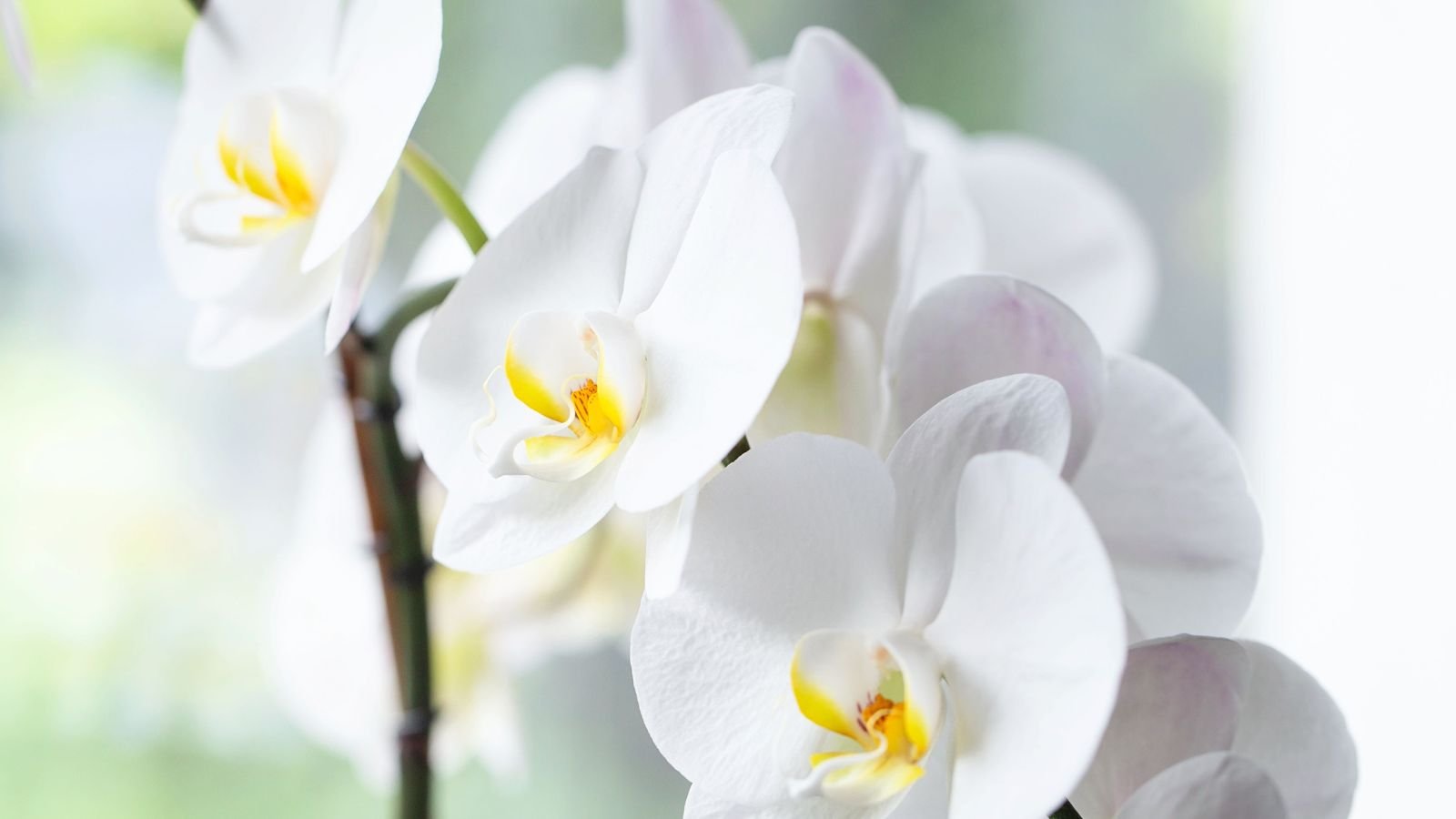
Moth orchids (Phalaenopsis) are everywhere. You’ll find them in grocery stores, office lobbies, and often given as gifts for almost any occasion. And it’s not hard to see why. When they’re happy, they are some of the most elegant houseplants on the market, with flowers that last for weeks or even months at a time.
But somewhere between the store and your kitchen windowsill, things tend to go wrong. Moth orchids have a reputation for being fussy or short-lived, but most of the time, the plant isn’t the problem. It’s easy to kill a moth orchid when you don’t understand its needs.
Understanding what a moth orchid actually is and where it comes from changes how you think about keeping one alive. A little knowledge will help you avoid the biggest mistake that kills moth orchids (and the other little ones, too). Once that clicks, these plants become surprisingly straightforward.
About Moth Orchids

Moth orchids are epiphytes, meaning they grow attached to trees in their native tropical habitats. Their roots cling to bark and branches, absorbing moisture from rain and humid air while drying out quickly between downpours. They’re never sitting in a puddle of water in the wild, and their roots are constantly exposed to airflow.
This is the most important thing to understand about moth orchid care, because almost every common mistake traces back to ignoring this basic biology. They’re not the same as other soil-grown houseplants. These plants evolved to have wet roots briefly, followed by a drying period with plenty of air circulation.
Moth orchids are also slow growers. They won’t push out new leaves every week or reward you with constant visible progress. A healthy moth orchid might produce one or two new leaves per year and bloom once annually. That’s normal.
The temptation to “help” by watering more or fertilizing heavily usually does more harm than the perceived inaction of just leaving the plant alone.
How Most People Kill Moth Orchids
The most common way people kill moth orchids (and many other houseplants, for that matter) is overwatering or underwatering. Underwatering causes stress that can harm the plant over time, but overwatering is more likely to kill the plant altogether, so we’ll focus on the most dangerous one first.
Moth orchids are typically sold in clear plastic pots nestled inside decorative containers, often with their roots packed in sphagnum moss. Most people water their moth orchid once a week because it seems like a reasonable schedule, or because that’s what the care tag suggests. But a fixed schedule ignores the actual moisture level around the roots, which varies depending on your home’s temperature, humidity, light levels, the type of container, and the season.
A moth orchid in a cool, dim room in winter might stay wet for two weeks or longer after a single watering. Giving it more water while the moss is still damp is the fastest way to kill it. A decorative pot without drainage holes also doesn’t allow excess moisture to drain, leaving the roots constantly sitting in water.
Constantly wet roots can’t access oxygen, so they start to rot. The leaves might still look fine for weeks, but the root system slowly deteriorates underneath. By the time the plant shows visible distress through yellowing lower leaves, a limp or wrinkled appearance, or flowers dropping prematurely, the damage is well underway.
The problem compounds because people often respond to these symptoms by watering more, thinking the plant looks thirsty. The orchid declines further, and you decide that orchids are just impossible to keep alive.
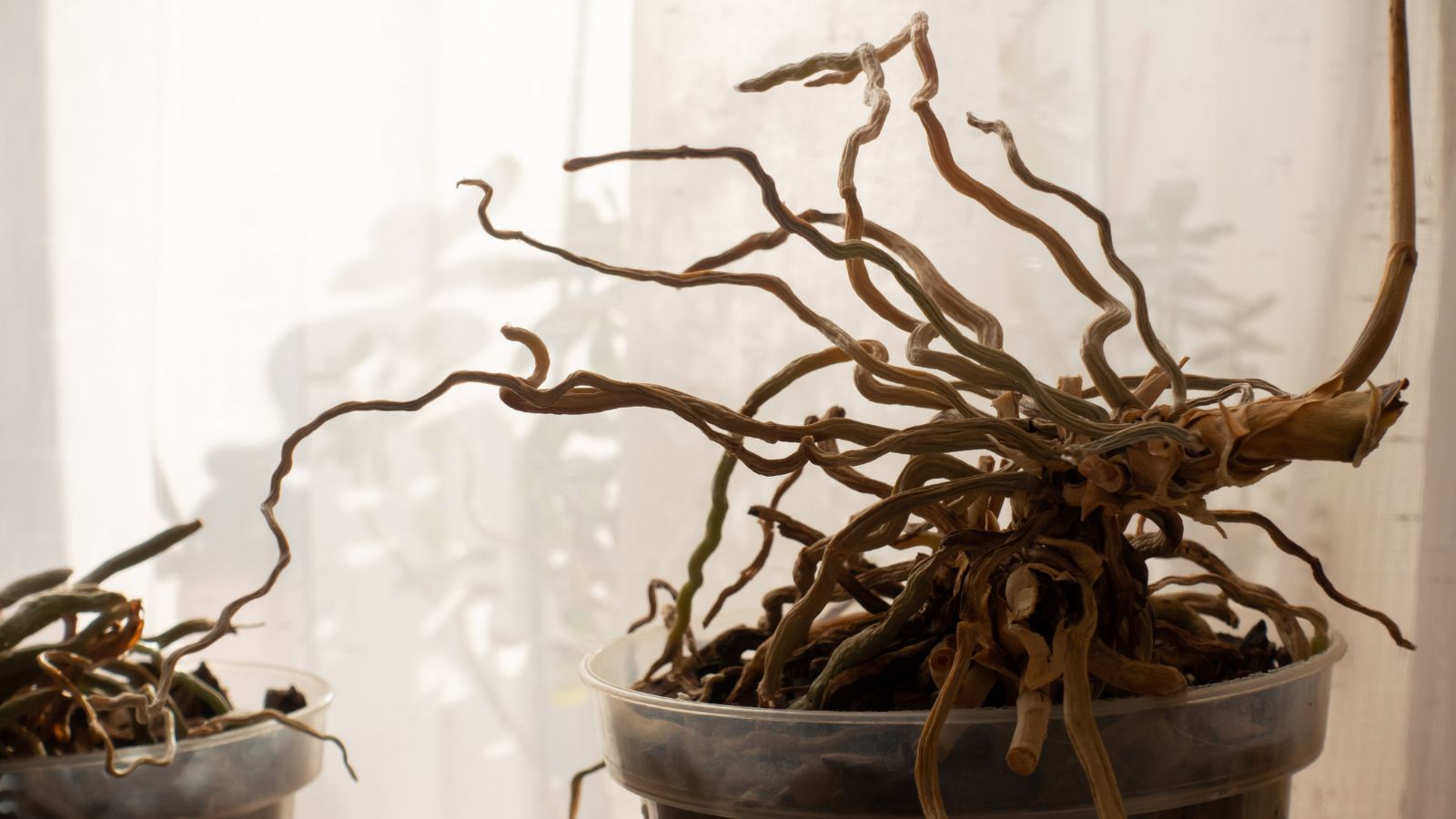
Rot is far more problematic than underwatering, but leaving your orchid without any moisture is not good either. It won’t put out any new growth or flowers and the roots will shrivel up, but they can perk up again if conditions are fixed. Orchids with rotten roots won’t perk up until those roots are removed.
How to Avoid It
If you fear you may kill your moth orchid, forget any watering schedule you’ve been following. Instead, learn to read what the plant actually needs.
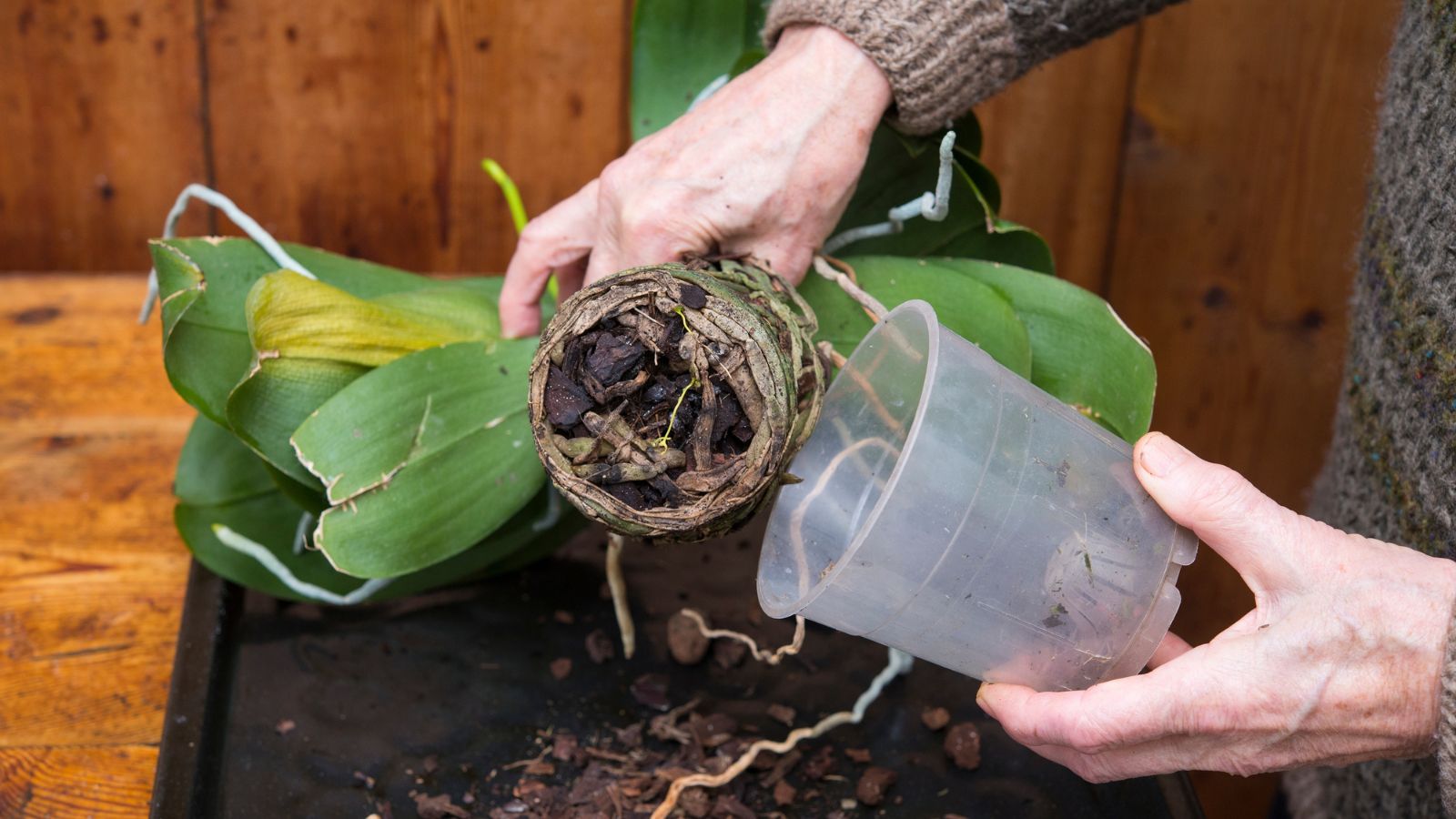
The clear plastic pot that moth orchids come in is one of your best tools for checking moisture. Healthy moth orchid roots are firm, plump, and silvery-green when dry, turning bright green after watering. Rotting roots look brown, mushy, and hollow.
Check the roots and the condensation inside the pot before you even think about watering. If you can see moisture on the inside of the plastic, the roots don’t need water yet.
When the roots look silvery and the moss or bark feels dry (stick your finger in to check rather than just looking at the surface), it’s time to water. Take the plastic inner pot out of its decorative container and run water through the pot for 30 seconds or so, letting it drain completely before putting it back. This mimics the brief drenching and fast drainage of a tropical rainstorm, which is exactly what the roots are used to.
Some growers prefer soaking the entire pot in water for 10 to 15 minutes, then draining thoroughly. Either method works. What matters is that the roots get fully wet, then dry out before the next watering. In most homes, this ends up being roughly every 10 to 14 days, but don’t treat that as a rule. Let the roots tell you when it’s time.
If your orchid’s roots are already showing signs of rot, remove the plant from its pot and trim away anything brown, mushy, or hollow with clean scissors. Repot in fresh orchid bark (not regular potting soil, which will suffocate the roots), water once, and then leave it alone to recover. Moth orchids can bounce back from surprising amounts of root loss, but only if the cycle of incorrect watering stops.
Other Possible Issues

Incorrect watering accounts for most moth orchid deaths, but a few other common mistakes are worth addressing.
Moth orchids tolerate low light better than many orchids, which is partly why they’ve become so popular as indoor plants. But tolerating low light and thriving in it are two different things.
An orchid sitting in a dim corner might survive for months without producing new growth or reblooming. What they actually want is bright, indirect light, and near an east-facing window is usually ideal. Direct afternoon sun will scorch the leaves, but too little light is the far more common problem. If your orchid hasn’t rebloomed in over a year and you think you’ve killed your moth orchid, insufficient light is the first thing I’d look at.
Moth orchids are also frequently treated as disposable. But a healthy one will rebloom, sometimes multiple times a year. After the last flower drops, cut the stem just above a visible node (the small bump along the stem) and continue caring for the plant as normal. A new flower spike often emerges within a few months.
If you notice buds drying up and dropping before they open, wrinkled leaves, or roots that dry out far too quickly, low humidity is likely the cause. Grouping plants together, using a pebble tray filled with water underneath the pot, or placing orchids in naturally humid rooms like bathrooms and kitchens all help. Misting the leaves is commonly recommended but does very little in practice.
Prolonged exposure to cold, especially below 55°F (13°C), causes real damage and is one of the quickest ways to kill a moth orchid. Cold windowsills in winter are a common culprit, along with drafts from exterior doors. If your orchid’s leaves develop dark, water-soaked patches, cold damage is the likely cause. Move the plant somewhere warmer and away from cold glass or drafts.
Moth Orchid Care
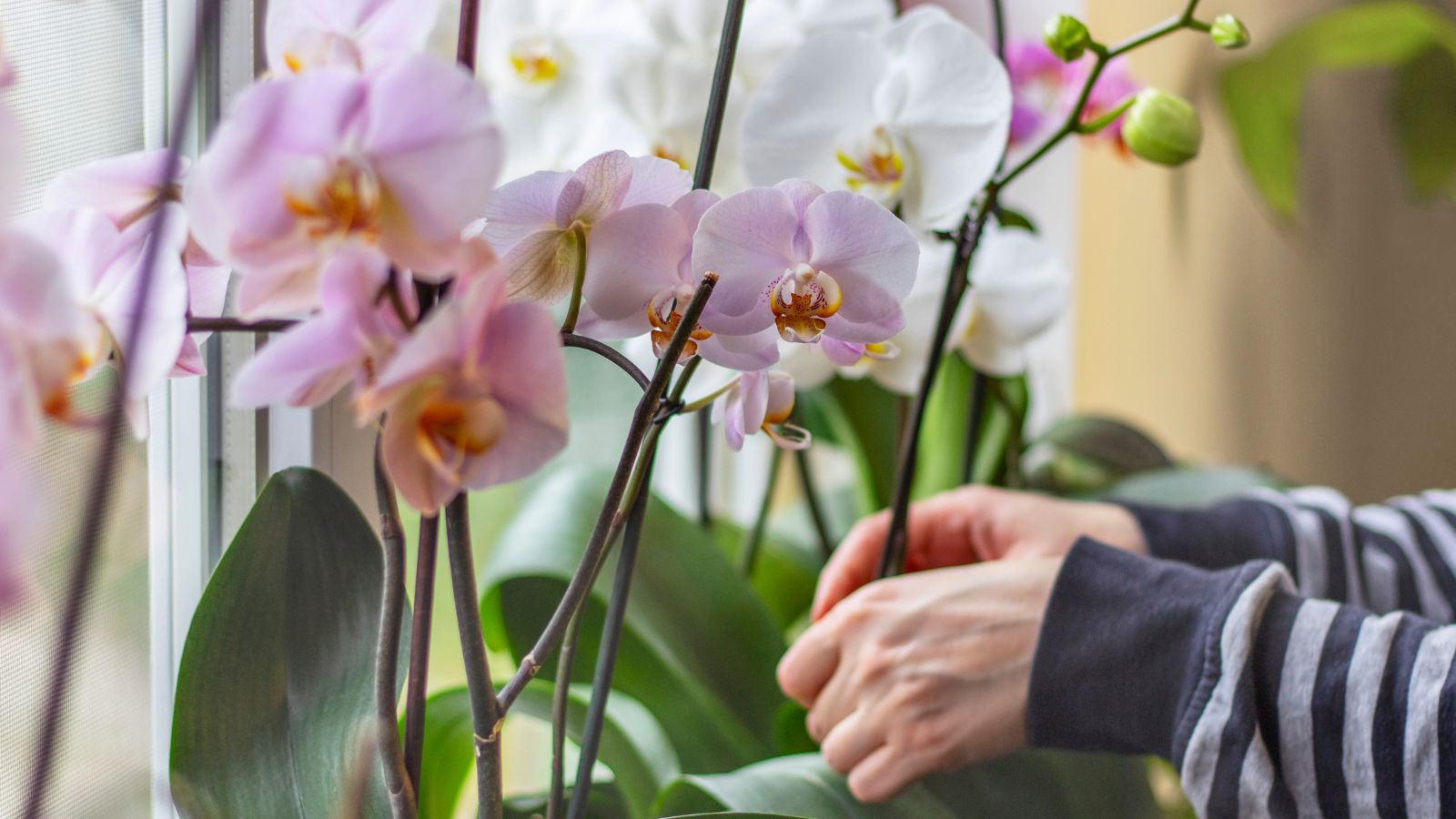
Once you stop overwatering or underwatering, moth orchid care is genuinely low-maintenance. These plants don’t need much from you.
Place your orchid in bright, indirect light. Water only when the roots look silvery and the growing medium feels dry, then drain thoroughly. Feed with a diluted orchid fertilizer once a month during the growing season in spring and summer, and skip fertilizing in winter when growth slows.
Repot every one to two years when the bark or moss starts breaking down and stops draining well, using orchid-specific potting mix rather than standard houseplant soil.
Beyond that, leave it alone. Resist the urge to move it around the house, repot it unnecessarily, or fuss with the roots between waterings. Moth orchids reward neglect far more than anxious attention. The people who struggle most with these plants are usually the ones who care too much, not too little.