
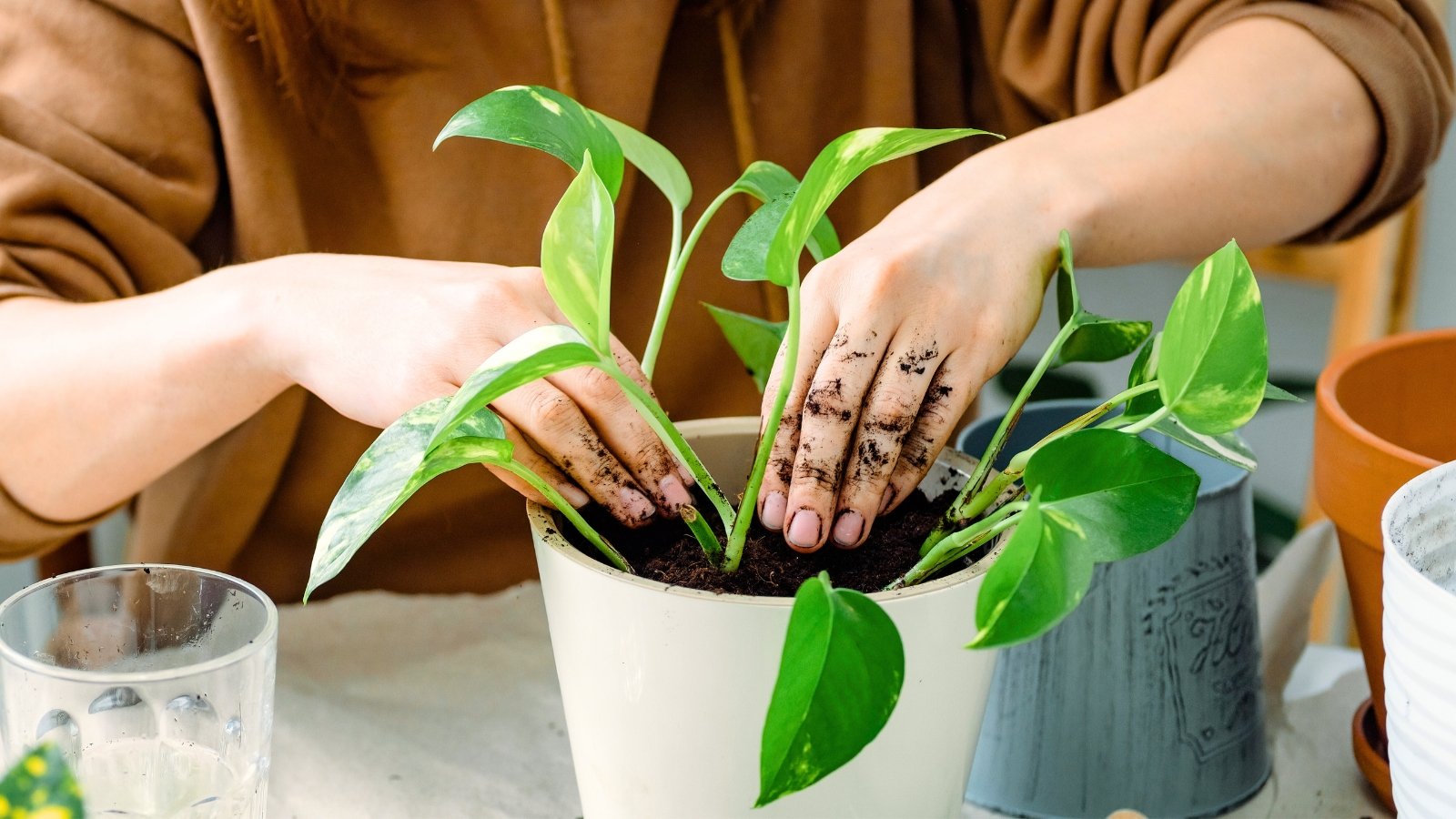
7 Houseplants You Should Repot in November
November can be a slow month in the garden. It’s natural to turn to your houseplants to fill the gardening void. There are some care tasks you can carry out during the cooler months. However, most of your houseplants are also in a state of at least partial dormancy.
When it comes to repotting, November is not the ideal month for most plants. This is when they naturally slow their growth. While they are in this dormant state, it’s best not to repot them. While they are dormant, their root growth slows, and the roots are less capable of recovering from stress.
Since repotting is a stressful experience for your plants, it’s truly better to do it when they are actively growing. This is when their root will recover and quickly acclimate to their new surroundings. There are some exceptions, though, and a handful of houseplants that you can repot in November.
Rim Modern Planter
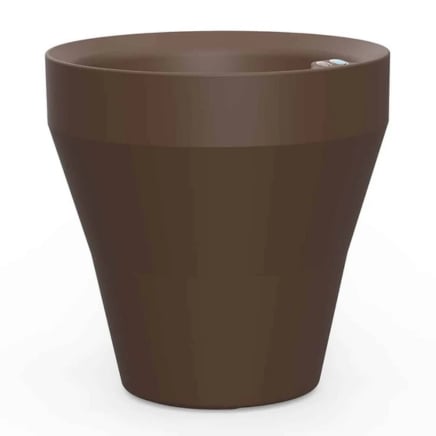
Rim Modern Self Watering Planter
Marly’s Planter

Marly’s Self-Watering Planter
Worm Castings

Urban Worm Company Worm Castings

Repotting Circumstances
Except for the plants I’ll talk about below, there are only a few reasons to repot your houseplants in November. Sometimes things get away from us during the gardening season, and we neglect the indoor garden. If you’re noticing any of these things now, it may be ok to break the rules.
Root-Bound
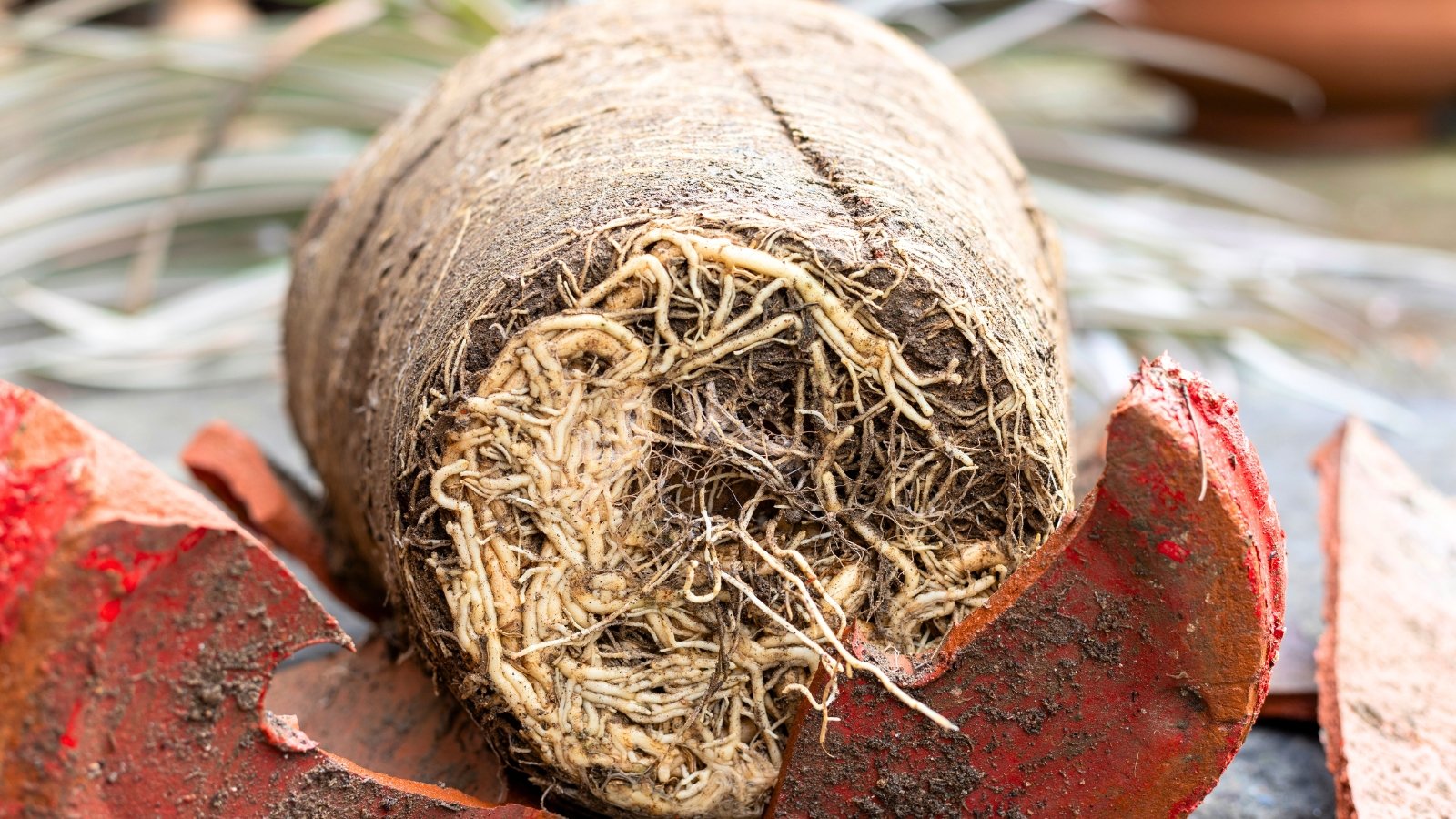
If you’re noticing a plant with roots poking out the top or bottom of the pot, it might be root-bound. Another sign of a root-bound plant is that the water runs right through the drainage holes. When there are too many roots and not enough soil, there is nothing to hold that water, so it comes right out!
If the plant simply looks like it is outgrowing the container, or the leaves are looking yellow, it might need space. When this happens, there are not enough nutrients to meet its needs. The foliage will suffer, and it may become top-heavy.
Drainage Issues

Drainage is important for nearly all of our houseplants. Over time, soil can become impacted and dense. Dense soil may hold too much moisture and have reduced airflow. Both of these issues lead to root rot. Likewise, soil that is too loose won’t hold moisture, and that’s a problem, too.
If your plant is suffering from drainage issues, it’s important to rectify the situation and repot your houseplants in November. Even when it’s not a great idea to repot, this is an important factor in the health of your plant.
Fungal Issues

Finally, if you detect fungal issues, especially in the soil, it’s important to repot houseplants in November. Fungus goes hand in hand with drainage issues. If you see white mold on the top of the soil, or there is a funky smell, it’s time to repot.
If you leave this situation over the winter, it’s likely to get worse as the plant isn’t taking in as much moisture. The moisture sits in the container and rots the roots. By February, you’re likely to have one fewer houseplant to care for.
Barring these issues, it’s typically a bad idea to make any major changes in November. There are a handful, though, that don’t go dormant in the winter, and these are ok to repot in November.
Pothos

Pothos plants are hardy, adaptable tropical houseplants that are exceptionally easy to care for. While they may slow their growth a bit as the daylight hours decrease, they don’t go completely dormant. As long as your house stays warm through the winter, November is a fine time to repot these houseplants.
This is an easy one, as pothos doesn’t require frequent repotting. You should only do this when it is needed, which is every few years. If the roots are growing out of the drainage holes, or you have compacted soil, it’s time.
Choose a container that is one to two inches larger than the current one. Use a well-draining potting mix like a tropical potting soil. Or, you can add perlite or pumice to regular potting mix. If your pothos doesn’t need it, there’s no reason to worry, but if it does, it’s fine to repot this one in November.
Philodendron

Like many tropical houseplants, philodendron doesn’t go completely dormant. It slows its growth slightly in the winter, but it’s fine to repot it in November. This is a low-stress time for your philodendrons, as long as your aftercare is good.
Any time you repot a plant, unless it has root rot, water it the day before. A hydrated plant recovers faster, and that’s what we are aiming for. Philodendrons have sap, which can be a skin irritant, so gloves are useful for this process.
Choose a pot that is one to two inches larger, and a well-draining potting mix. These are similar to pothos in terms of their needs. Try to inspect the roots of any plant while you have it out of the container. Use a clean, sharp pair of pruners or snips to remove any unhealthy root tissue.

Spider Plant

Spider plants easily become root-bound. These houseplants have substantial root systems that will start to circle the pot and grow out of the drainage holes if they don’t have space. This results in a nutrient deficiency, as there is not enough soil for the plant to draw from.
Because it doesn’t go fully dormant, November is a fine time to repot these houseplants. However, if it looks like it doesn’t need it, you can wait until spring for better results. As long as you don’t do it in the dead of winter, your spider plant should recover quite well.
Size up an inch or two in container size. Use a light, well-draining potting mix, and mix in a bit of compost and perlite to give it a boost. If you do repot these houspelants in November, avoid fertilizing right away. Wait for your houseplants to begin their active growth again in the spring.
Peace Lily

It’s important to keep in mind that November is not the ideal time for repotting many houseplants. The slowed growth and reduced sunlight hours make it more difficult for roots to establish. But, for plants like peace lilies that don’t enter complete dormancy, it’s usually fine.
If your peace lily is outgrowing its container, go ahead and repot it. A sign that your plant is too large for its container is wilting. A pot-bound peace lily won’t have access to enough water, and it will let you know by drooping and wilting.
Size up an inch or two in container size. The larger the plant, the more wiggle room you have here, and you can use a larger container. Make sure whatever you choose has good drainage. Use a light, loose potting mix, like a tropical mix with some orchid bark or coco coir mixed in.
African Violet

African violets grow and bloom year-round under the right circumstances. As long as they stay warm and get enough light, these are perfectly safe to repot in November. In fact, they may be the ideal houseplants for this list for the task.
African violets appreciate a refresh on a regular basis. They recover quickly, so it’s fine to repot them every 6 to 12 months. The season doesn’t matter. They like to be snug in their containers, but they also love fresh soil. A light, airy mixture is best.
When you repot these houseplants, remember that the crown should never sit below the soil level. This will make it rot. Keep it warm afterward, and don’t stress if it briefly stops blooming. It’s just getting used to its new home.
Monstera

Monsteras are other houseplants that, similarly to pothos and philodendron, can handle it. But, repotting in November isn’t ideal, so if you can put it off until spring, do. If it’s root-bound or you have depleted soil, go for it!
Your monstera will be fine if you repot it now, as long as you keep it warm and move it a bit closer to the light source. It will want more light as the daylight hours get shorter in winter. Monstera like a chunky mix of soil, bark, perlite, and peat. Their roots like plenty of air circulation.
Go up an inch or two in pot size. Again, if your plant is large, you can go up three sizes because it’s going to grow into it faster. After you repot it, water it lightly and place it in bright, but indirect light. Don’t fertilize it until spring.
Fern

Ferns are a mixed bag of houseplants when it comes to repotting in November. Some types do fine with the bit of stress this time of year. Others, not so much. The common ferns that tolerate this well include:
- Holly
- Staghorn
- Rabbit’s foot
- Button
- Kimberly queen
- Bird’s nest
- Boston
Most of these tolerate lower humidity or are generally more adaptable. After repotting any of them, give them a bit of extra light to help them recover. Most ferns prefer indirect light, but in the winter, brighter is better. This will keep them growing.
Most ferns like a snug fit; they prefer their container to stay close. Only go up an inch or two in pot size. Many prefer a loose potting mix with good water retention. If you want to give your houseplants some extra help in recovering, place it in a brightly lit bathroom or use a humidifier.