7 Best Alocasia Types for Beginners
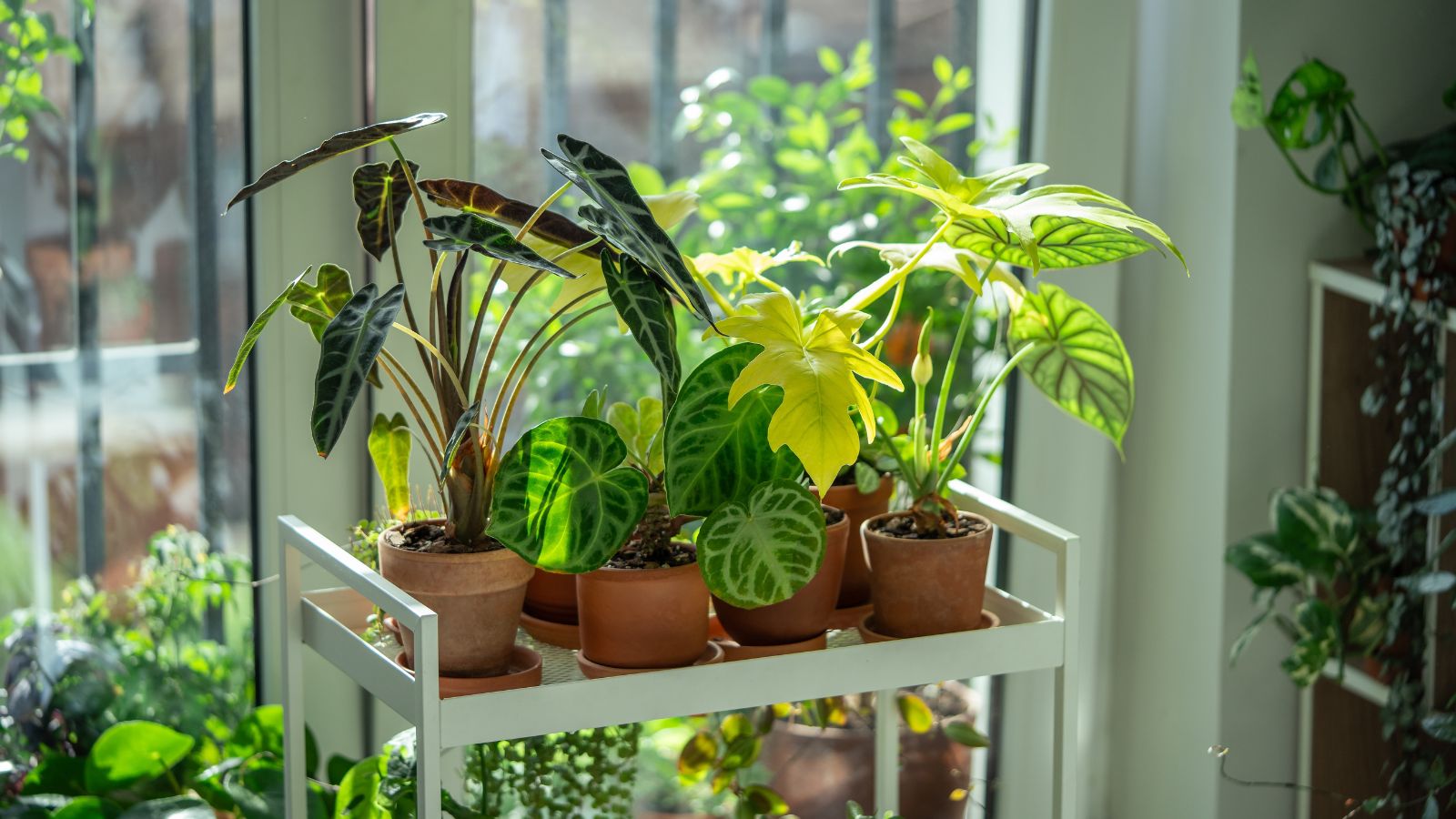
It’s hard to choose which variety of alocasia is the best. Beginners should take some time to do research, though, and determine which are good for the uninitiated. Alocasias can be fussy and need specific soil, light, and watering to thrive. New growers sometimes make the mistake of picking a popular cultivar, only to have it perish shortly after.
Larger-leaved varieties are often touted as the best alocasias for beginners, but it’s actually the smaller-leaved ones that are easier to care for. Still, we’ve included one larger-leaved variety here, because it’s generally recommended as a good starting point.
What you need to know ahead of the particulars of each variety is that alocasias, no matter the type, are all a bit finicky. They need chunky soil, almost like the kind you’d choose for epiphytic orchids. They are sensitive to excess saline and minerals in tap water, and instead need distilled water. Also, they need lots of humidity.
As long as you give them their base care needs, you will likely have success with most varieties. Just in case you are concerned about growing the wrong one, here is a list of seven of the best alocasias for beginners that are much easier than some of the others.
Epic Grow Light

Epic Grow Light
Grow strong, healthy seedlings indoors all year long. The Epic Grow Light gives your garden the best possible start with bright, energy-efficient LEDs designed specifically for seed starting and early plant growth. You’ll get quicker germination, sturdier seedlings, and less leggy growth, all without driving up your energy bill.
‘Silver Dragon’


|
botanical name Alocasia baginda ‘Silver Dragon’ |
|---|---|

|
sun requirements Bright, indirect light |

|
height 1-2′ |

|
hardiness zones 9-11 |
If your houseplant garden needs a bit of silvery color with deep green veining, look for ‘Silver Dragon’ with its almost fuzzy, textured foliage. This smaller alocasia is easier to care for, mostly because of its compact size. In areas where it’s hardy (zones 9 through 11), ‘Silver Dragon’ thrives in temperatures between 65 and 75°F (18 and 24°C).
If you live in these zones but temperatures tend to be outside these bounds, keep yours indoors. Even though this is an easier alocasia, it is sensitive to overwatering. Keep the soil moist, but not waterlogged, and always use distilled water to irrigate. Thankfully, its thick leaves store water, so you won’t have to water often.
‘Morocco’
|
|
botanical name Alocasia ‘Morocco’ |
|---|---|
|
|
sun requirements Bright, indirect light |
|
|
height 16″ |
|
|
hardiness zones 9-11 |
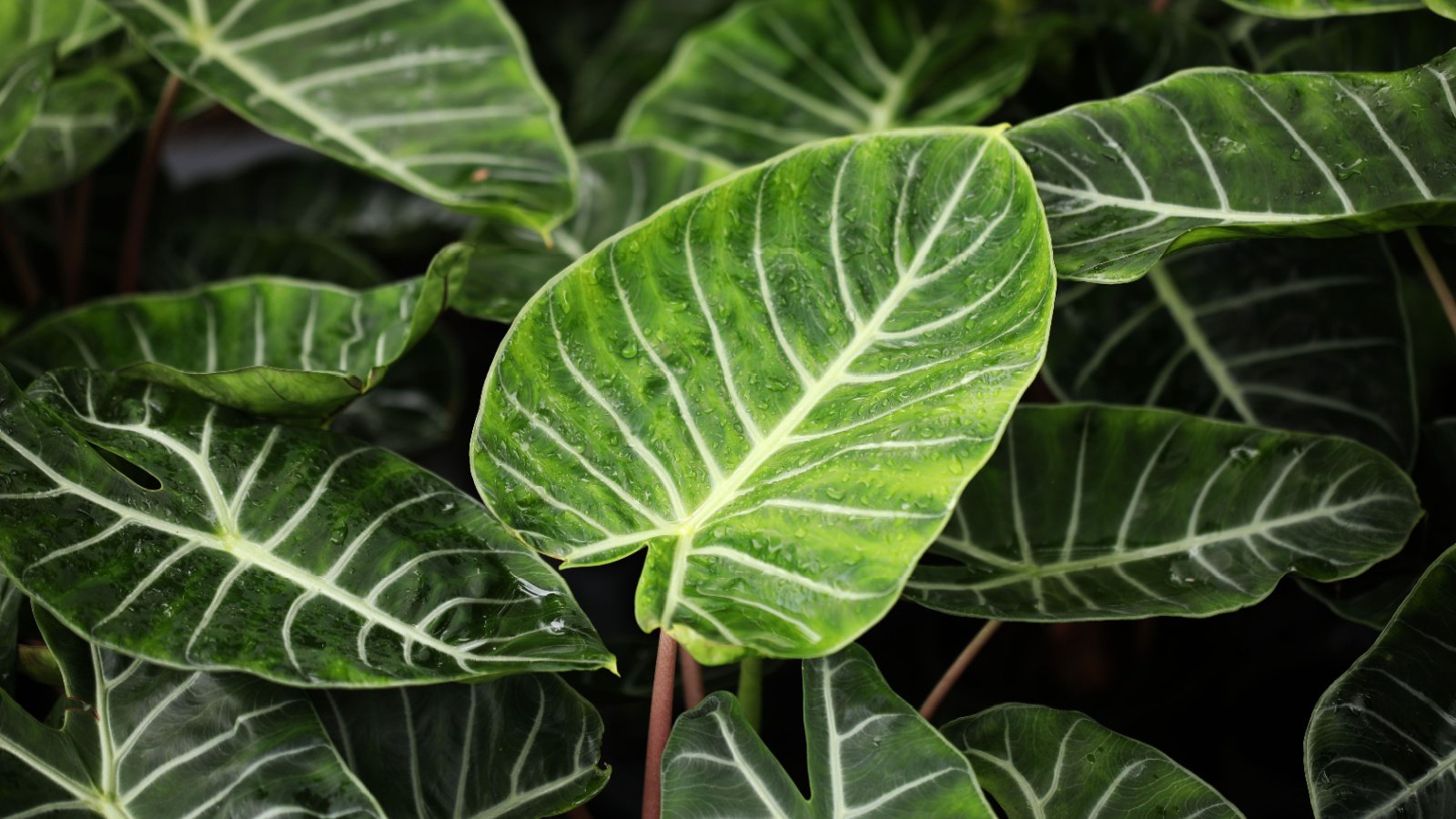
This alocasia was developed through crossbreeding of Alocasia ‘Aurora’ and ‘Polly’, and much like ‘Silver Dragon’, it’s compact and a bit easier to care for. Ask experienced growers, and they will tell you it’s the best alocasia for beginners.
You’ll find this one sold as ‘Pink Dragon’ as well. This alternate moniker refers to the pink stems that support waxy green leaves with defined light green veining. ‘Morocco’ grows rapidly, and resists diseases other varieties can’t. If it’s in the wrong conditions, it bounces back quickly when those are corrected. This makes it a great choice for beginners with smaller spaces or more houseplants to manage.
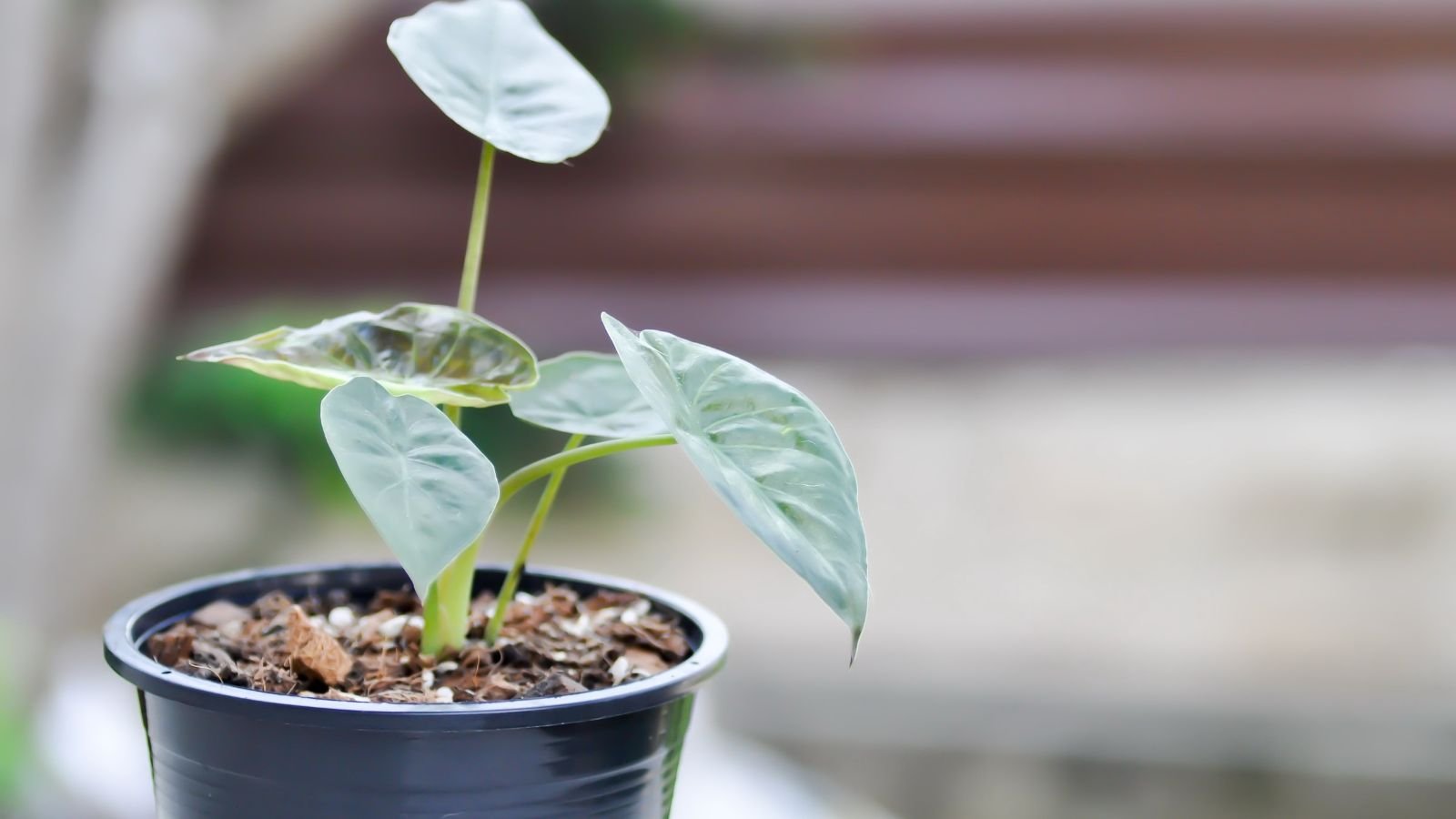
Alocasia wentii
|
|
botanical name Alocasia wentii |
|---|---|
|
|
sun requirements Bright, indirect light |
|
|
height 3-5′ |
|
|
hardiness zones 7-11 |
While this alocasia is taller than the others we’ve touched on up to this point, it does have a wider hardiness range. This is why it is commonly referred to as hardy elephant ear. If your home has room for a three to five-foot-tall specimen, or you have room in your outdoor garden, this is a good choice for you.
As the all-green, shiny leaves of the hardy elephant ear grow, they take on various colors. Outdoors, the plant can handle more sunlight, but indoors, it’s best grown in indirect sunlight. If you’d like to host it in a container year-round, ensure it is indoors when temperatures drop below 50°F (10°C).
‘Loco’
|
|
botanical name Alocasia ‘Loco’ |
|---|---|
|
|
sun requirements Bright, indirect light |
|
|
height 20″ |
|
|
hardiness zones 10-12 |
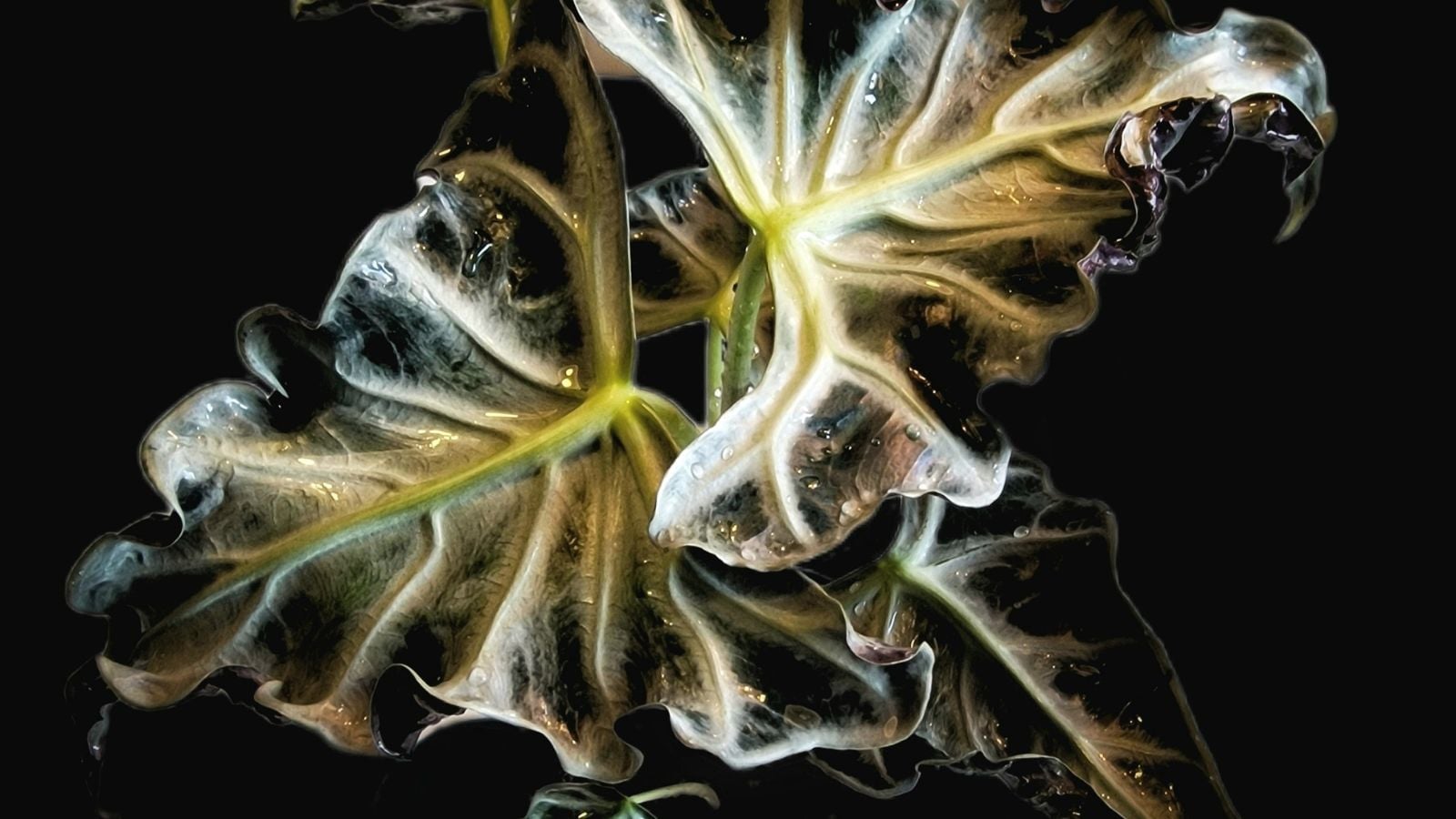
If weird and rare plants are your thing, ‘Loco’ is an excellent addition to your indoor garden. This alocasia was developed in 2010, and emerged randomly as a mutation of ‘Mandalay’. The leaves are distorted, warped, and unique. They have deep green flesh with slightly lighter green veins.
This one is hard to find “in the wild,” as they say. But if you can, its compact habit makes it one of the best alocasias for beginners. Its cultivation is usually carried out through tissue culture, which is a recently developed propagation method.
Alocasia zebrina
|
|
botanical name Alocasia zebrina |
|---|---|
|
|
sun requirements Bright, indirect light |
|
|
height 3-10′ |
|
|
hardiness zones 10-11 |
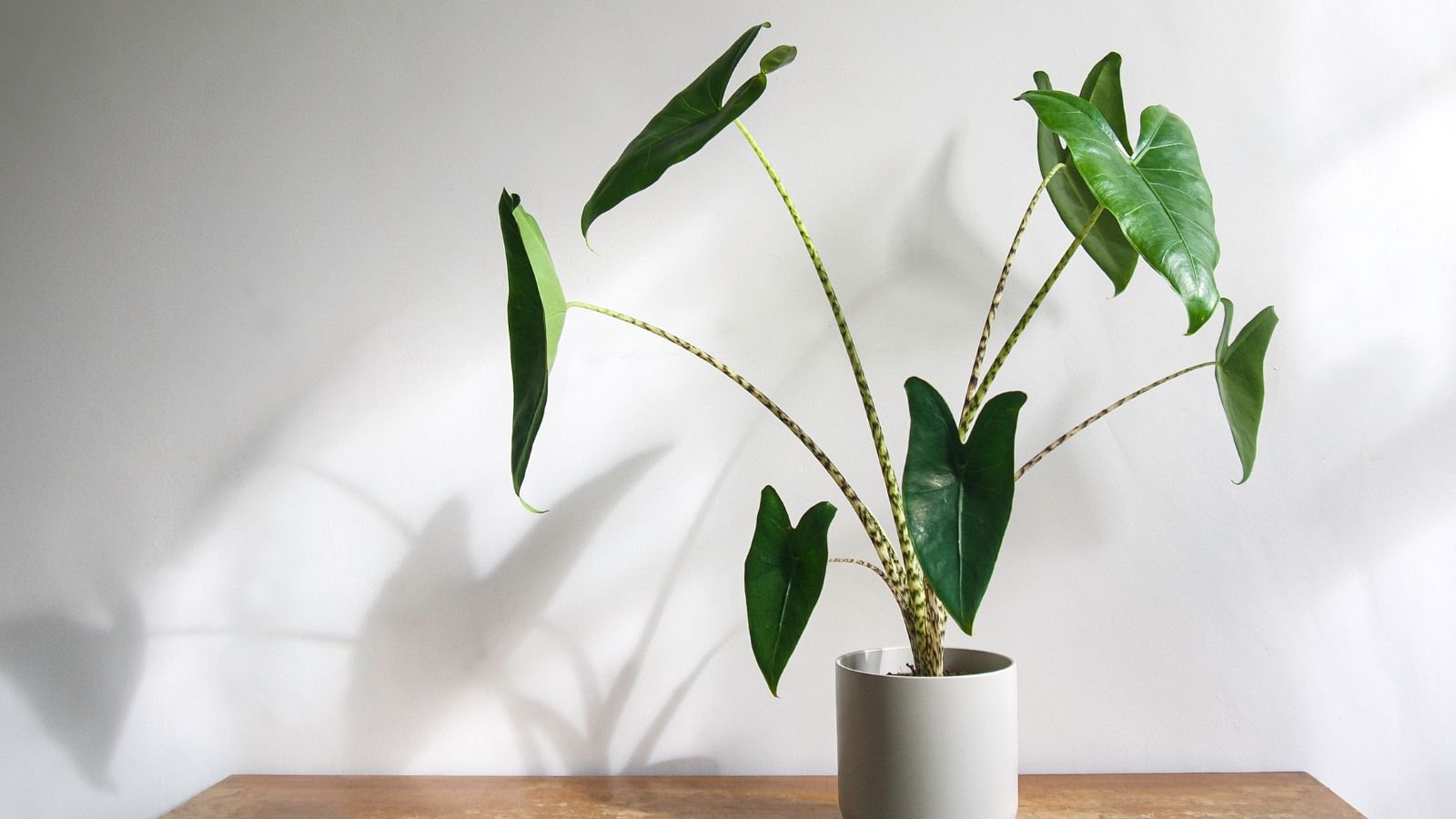
The zebra-striped stems of this alocasia are what give it its botanical name. This large-sized plant is perfect for indoor gardens, and outdoor ones in its native range. It thrives in temperatures between 65 and 75°F (18-24°C). What the stems offer in their striking aesthetic, the leaves contrast with plain, lovely green.
This is a large plant, but it doesn’t attract many pests and diseases, aside from the usual indoor ones you’d normally deal with. It can be easily divided in the growing season, and propagated to make new plants too!
‘Batik’
|
|
botanical name Alocasia odora ‘Batik’ |
|---|---|
|
|
sun requirements Bright, indirect light |
|
|
height 30″ |
|
|
hardiness zones 9-11 |
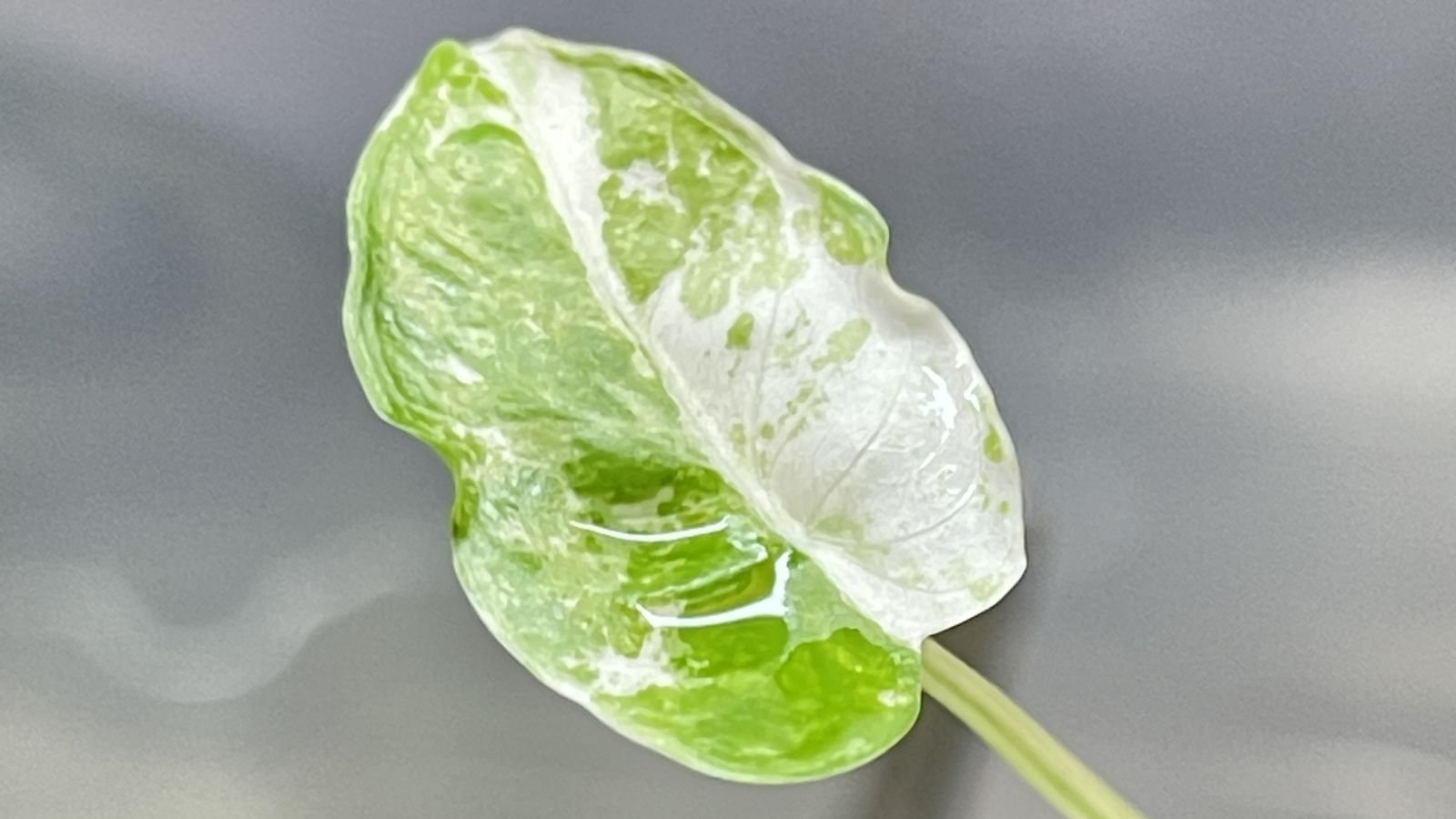
Much like ‘Loco’, ‘Batik’ stands out. Its leaves are variegated green with creamy white splashes. Similar to others on this list, it is the best alocasia for beginners due to its size. Reaching no more than a couple of feet tall, it offers indoor growers dense foliage and plenty of new growth at the height of the season.
This is not a rare alocasia, but it is considered uncommon. It’s named after batik fabric, which is dyed using a wax resist technique. What results from this technique is beautifully patterned cloth, and ‘Batik’ certainly resembles that.
‘Polly’
|
|
botanical name Alocasia × amazonica ‘Polly’ |
|---|---|
|
|
sun requirements Bright, indirect light |
|
|
height 1-2′ |
|
|
hardiness zones 10-12 |
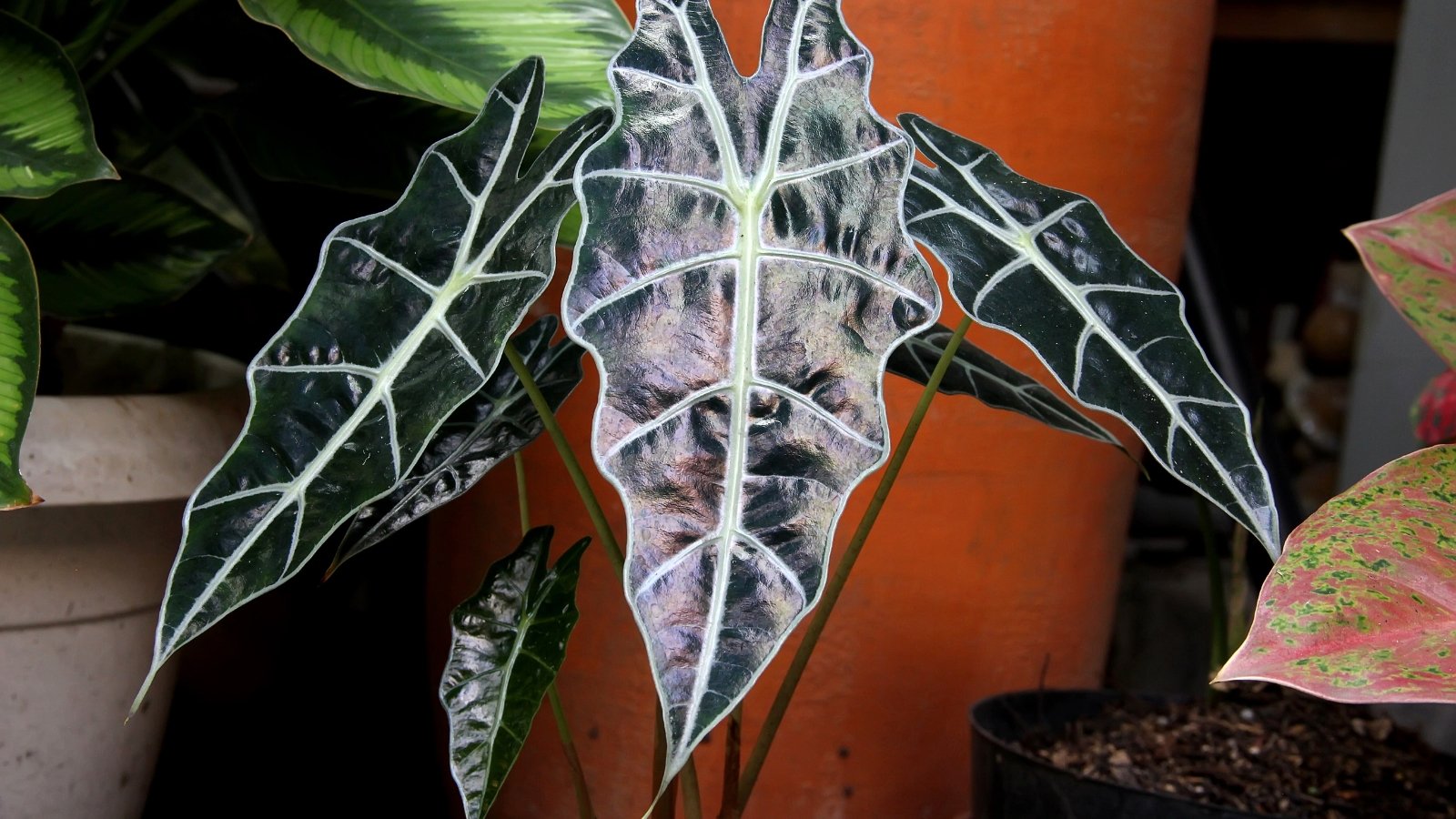
While I would not consider this the best alocasia for beginners, it is one of the varieties people recommend for beginners. ‘Polly’ has striking leaves that are arrowhead-shaped and dark forest green. The veining is pale green, offering a contrast that few others provide in the indoor garden.
This is a compact variety, making it slightly easier to maintain than larger varieties. It doesn’t attract many pests and fends off diseases easily, but it can be sensitive to changes. If you’re growing one, make sure your conditions are right before placing it in the houseplant garden.