
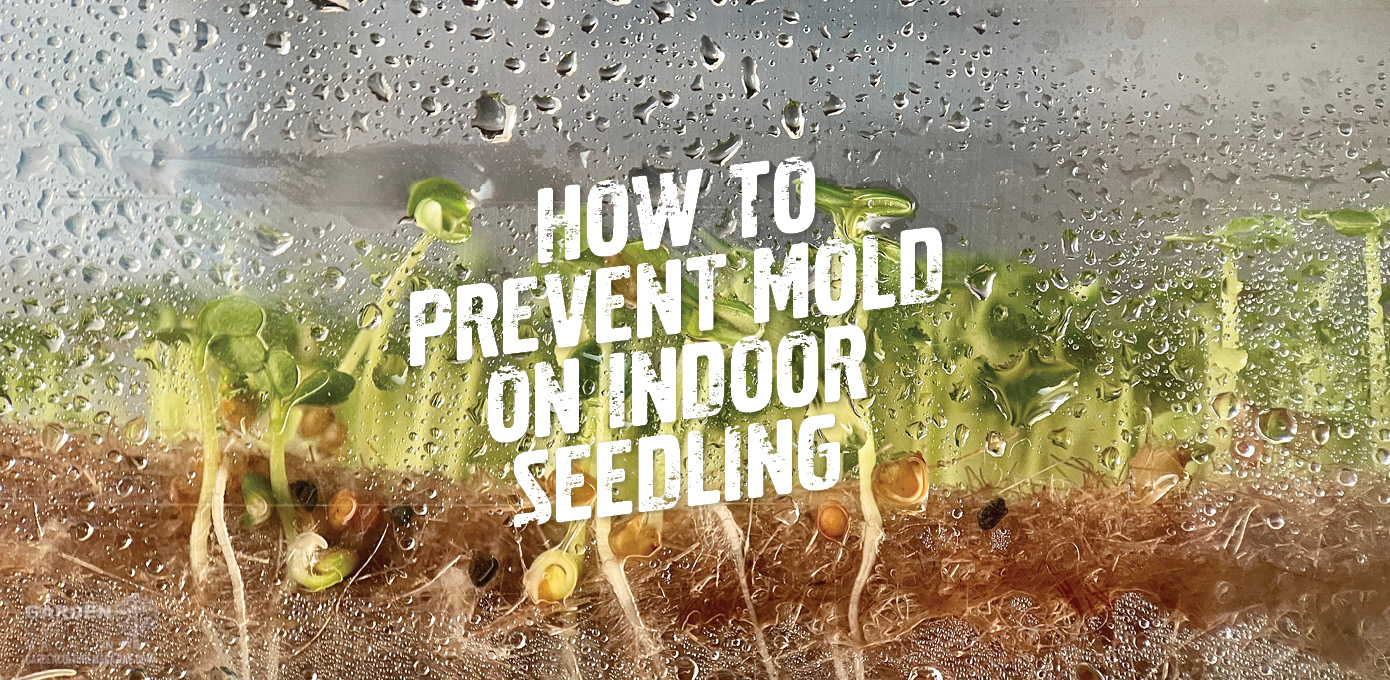
How To Prevent Mold on Indoor Seedlings 101
Stop damping-off indoors with sterile seed-starting mix, proper airflow, smart watering, and natural remedies so your seedlings stay healthy and garden-ready.
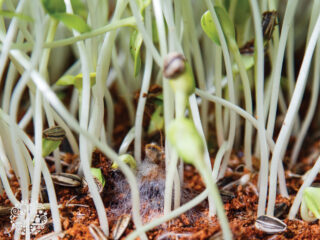
You’ve gone through the trouble of starting your seeds and collecting all the necessary materials to get them to germinate. Then, disaster strikes. You notice some fuzzy white mold on the soil surface, and your seedlings go brown, soft, and wilt. Before you know it, they die, never having had the chance to make it out into the garden and prove their worth. This is called damping-off, a soil-borne fungal disease, and the number one killer of seedlings. We’re here to help you avoid damping-off so your seedlings can make it outdoors and yield a pretty harvest.
Selecting a Sterile Mix for Seed Starting
If you’re direct sowing seeds into the garden later in the season, living soil or potting mix is perfectly fine to use. However, if you’re starting seeds indoors, regular garden soil is a no-go. Using a lightweight seed-starting mix is essential. Also called a ‘soilless mix’, this medium doesn’t include soil; it’s sterile and free of potential pathogens that could harm your precious seedlings. You can either make your own seed-starting mix (recipe to follow) or buy a bagged version at your local garden nursery. Regardless, the typical ingredients include peat moss or coconut coir, along with some perlite to improve drainage and air space.
Peat-Free Seed-Starting Recipe
- 3 parts screened and sterilized compost
- 1 part coconut coir
- 1 part rice hulls
- 1 part perlite
- 1 part vermiculite
Source: Garden Alchemy: 80 Recipes and Concoctions for Organic Fertilizers, Plant Elixers, Potting Mixes, Pest Deterrents, and more, by Stephanie Rose.
Prevent Damping-Off with Proper Sanitizing
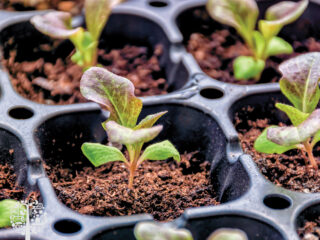
In Starting & Saving Seeds, author Julie Thompson-Adolf says growers can help seedlings avoid damping-off by practicing proper sanitation. Before planting seeds, sterilize recycled containers and tools in a solution of 1 part bleach to 9 parts water. Soaking the materials will kill any contaminants. After soaking, rinse the containers and tools well before adding fresh seed-starting mix.
Prevent Damping-Off with Proper Airflow
When starting seeds indoors, select a well-ventilated area of your home. An area with poor airflow is likely to lead to mold. Use a fan to help improve air circulation. In The Vegetable Gardening Book, Joe Lamp’l says he always uses a fan to reduce his chances of developing mold. The moving air also helps toughen up his seedlings, preparing them for the breezes they’ll face once they move outdoors.
Overwatering and Damping-Off
A good quality seed-starting mix will ensure good water drainage, so don’t skimp! Ensure all of your containers have holes so the water can escape. When watering seedlings, water from the bottom and keep the soil moist, not soggy. Wet conditions are ideal for mold growth; minimize the risk by using heat mats, good artificial lighting, and keeping the soil surface on the dry side.
Preventing and Treating Damping-Off with Natural Fungicides
You can prevent damping-off by following the above tips and tricks; give your seedlings some extra help with a drink of chamomile tea! While salvaging seedlings after mold appears is challenging, this concoction from Stephanie Rose’s Garden Alchemy might help them overcome damping-off.
German Chamomile Tea
You will need:
- 1 part fresh chamomile or one-fourth part dried
- 3 parts rainwater or dechlorinated water
If using fresh chamomile, harvest the flowers, stems, and leaves early in the morning. Place in a Mason jar of water and set in the garden or on a sunny windowsill for the day.
If using dry chamomile, brew a tea by pouring hot water over the dried flowers and letting it steep for 24 hours.
Strain the tea, cool, and use the mixture to water your seedlings. Alternatively, use a spray bottle to mist the plants and soil daily. Chamomile tea can also be used as a foliar spray to prevent disease on established plants.


