7 Houseplants That Refresh Stagnant Indoor Air
In 1989, NASA conducted a study examining the effect houseplants had on air quality. While the conditions in the study aren’t as controlled as they would be in other indoor spaces, the study showed that certain houseplants refresh air by removing volatile organic compounds.
The study covered around 12 plants and examined how they naturally removed commonly occurring chemicals from the air, specifically, benzene, formaldehyde, and trichloroethylene. Subsequent studies examined almost two dozen more plants and identified their positive effects on indoor air quality.
We have compiled a list of seven houseplants that refresh the air inside homes and offices. If you’re an avid houseplant gardener or you haven’t started your indoor growing space, know that these houseplants can help you breathe easier and ease your mind.
Plant Moisture Sensor

Mercury 1L Trigger Sprayer

Mercury 1L Trigger Sprayer
Ina Wall Trellis Regular

Golden Pothos

Devil’s ivy, also called golden pothos, is the easiest houseplant to grow. Its trademark heart-shaped leaves trail along surfaces, and pin to the wall, moss poles, and trellises easily. Propagating this generous plant is a cinch as well. Just cut between a leaf node and place it in soil or water to let roots form.
Not only is this a lovely and fun-to-grow houseplant, but a 1993 study from researchers at the Mississippi Academy of Sciences found that soil organisms from pothos plants removed xylene and toluene from the air. Other studies also noted that formaldehyde was filtered, proving that these houseplants refresh the air.

Snake Plant

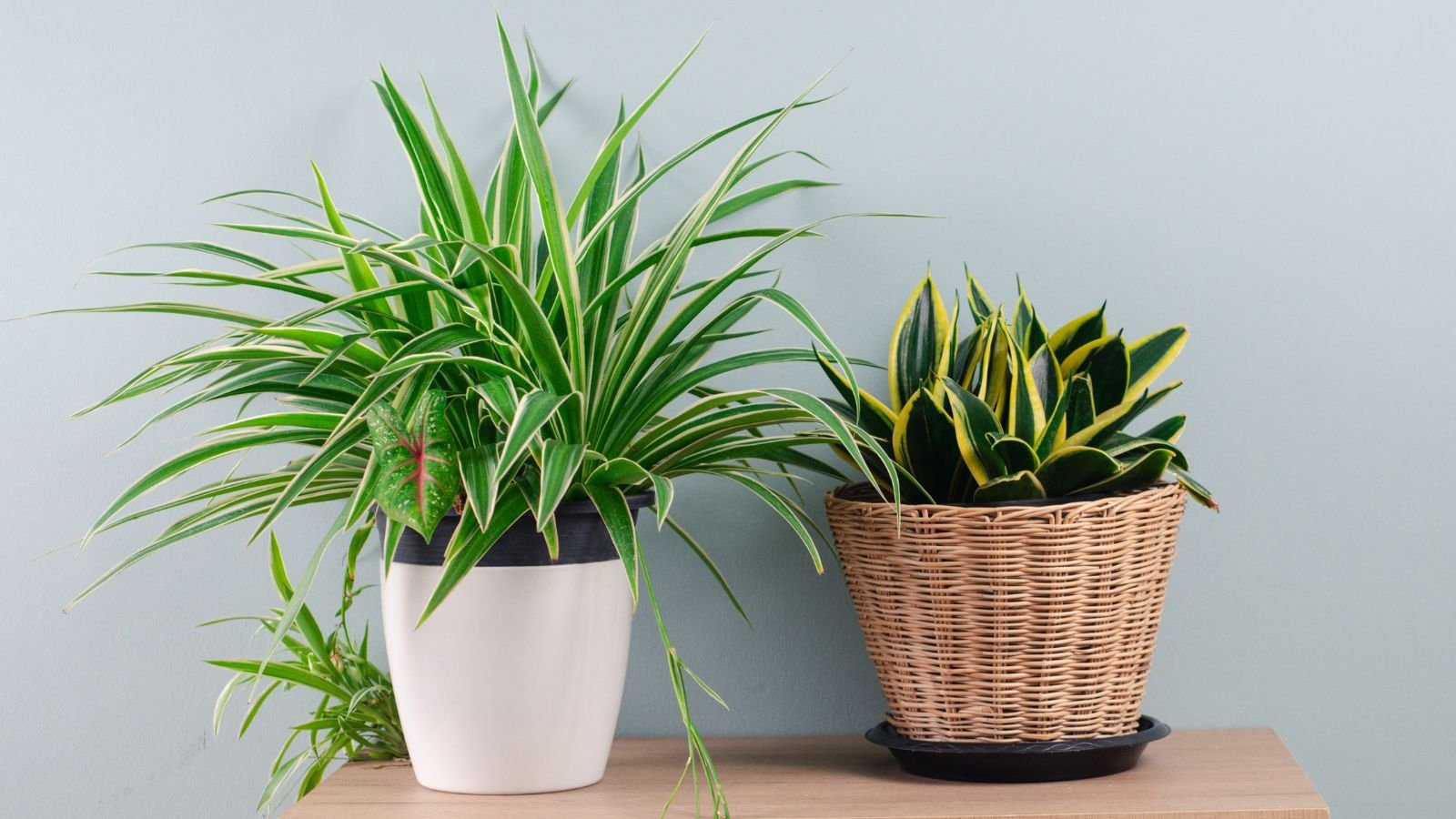
Another super-easy plant with modern flair is the snake plant. In initial and subsequent studies, numerous varieties of snake plants showed the ability to remove toxins from indoor air. Incorporate the stiff, succulent leaves of this plant into any interior to liven it up and give it a sharp aesthetic.
Similar to pothos, snake plants are easy to propagate. You can snip off a leaf and plant it in soil, or wait for a mature plant to produce offsets, which can be separated from the parent and planted elsewhere.
Gerber Daisy

While houseplants can bloom in optimal conditions indoors, some of them are hard-pressed to do so outside their native environments. Thankfully, growing Gerbera daisies indoors provides flowers despite the differing conditions. With an array of colors and varieties to choose from, why not incorporate one into your setup?
These cheery plants with their rayed blooms are adept at removing trichloroethylene and benzene from indoor spaces. If you find yours multiplying, try planting some outdoors for a lovely annual display in most of North America. Inside their hardiness range, in zones 8 through 10, they perennialize.
English Ivy

Despite its reputation as a highly invasive plant that destroys buildings, English ivy makes a great indoor plant. You can skip all the risks associated with planting it outdoors this way. Add to that the ability of this houseplant to refresh the air, and it’s a no-brainer for people who enjoy the look of this stately plant.
Prepare to keep yours somewhere it can trail or climb, or prune it to keep it contained. Save your prunings for propagation, and give the new plants to friends. Or simply fill your home or office with the variegated, palmate leaves.
Moth Orchids

Growing moth orchids isn’t difficult once you get the hang of it. Find a brightly lit spot in your home out of direct sunlight, and give yours the best possible orchid soil. You’ll have multiple blooms throughout winter and into spring.
Moth orchids are among the plants in air quality studies that remove formaldehyde, xylene, and toluene. Keep their leaves clean, water them regularly, and you can even glean some fruit for difficult yet worthwhile propagation experiments.
Split-Leaf Philodendron

Heartleaf philodendrons get all the praise, but tree philodendrons are pretty great too. In areas where they can grow tall and spread out, split-leaf philodendrons are wonderful indoor specimens. Their supple branches and fenestrated leaves offer a stand-out aesthetic.
These houseplants refresh the air by filtering formaldehyde. When combined with their verdant display that develops over time, they provide a forested feel that other houseplants don’t.
Spider Plant

If you are new to the houseplant game, you could be just now learning about spider plants. The lance-like leaves of this light green plant are prolific, and growing these is akin to growing pothos in that they are easy to propagate. Separate baby spiders and plant them in new containers with ease.
As long as you have a window with bright, indirect light and soil that drains well, it’s hard to kill a spider plant. You can pop these into almost any office or home and watch these houseplants refresh the air.