How to Plant, Grow, and Care for Alocasia ‘Polly’ (Amazonica)
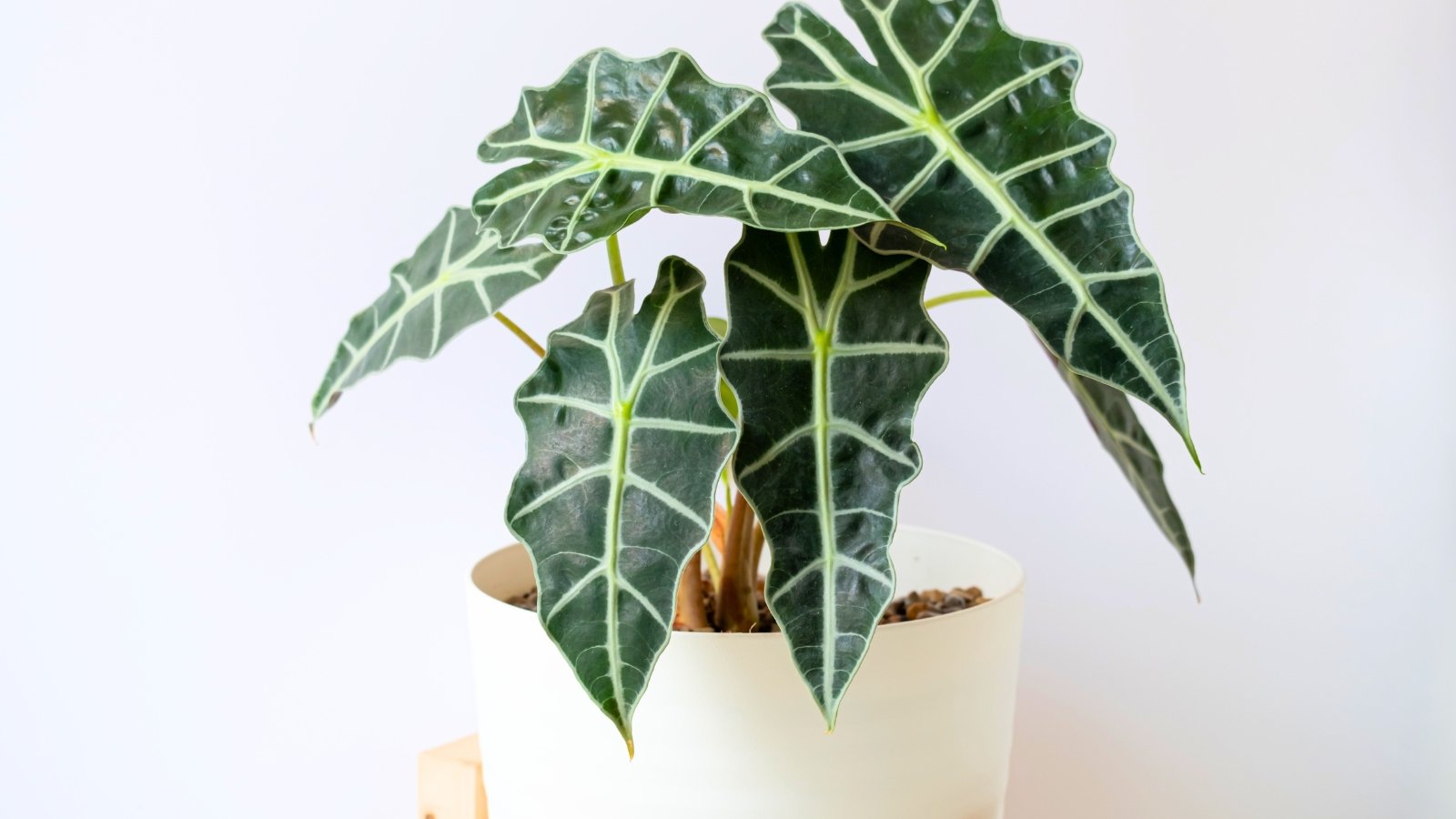
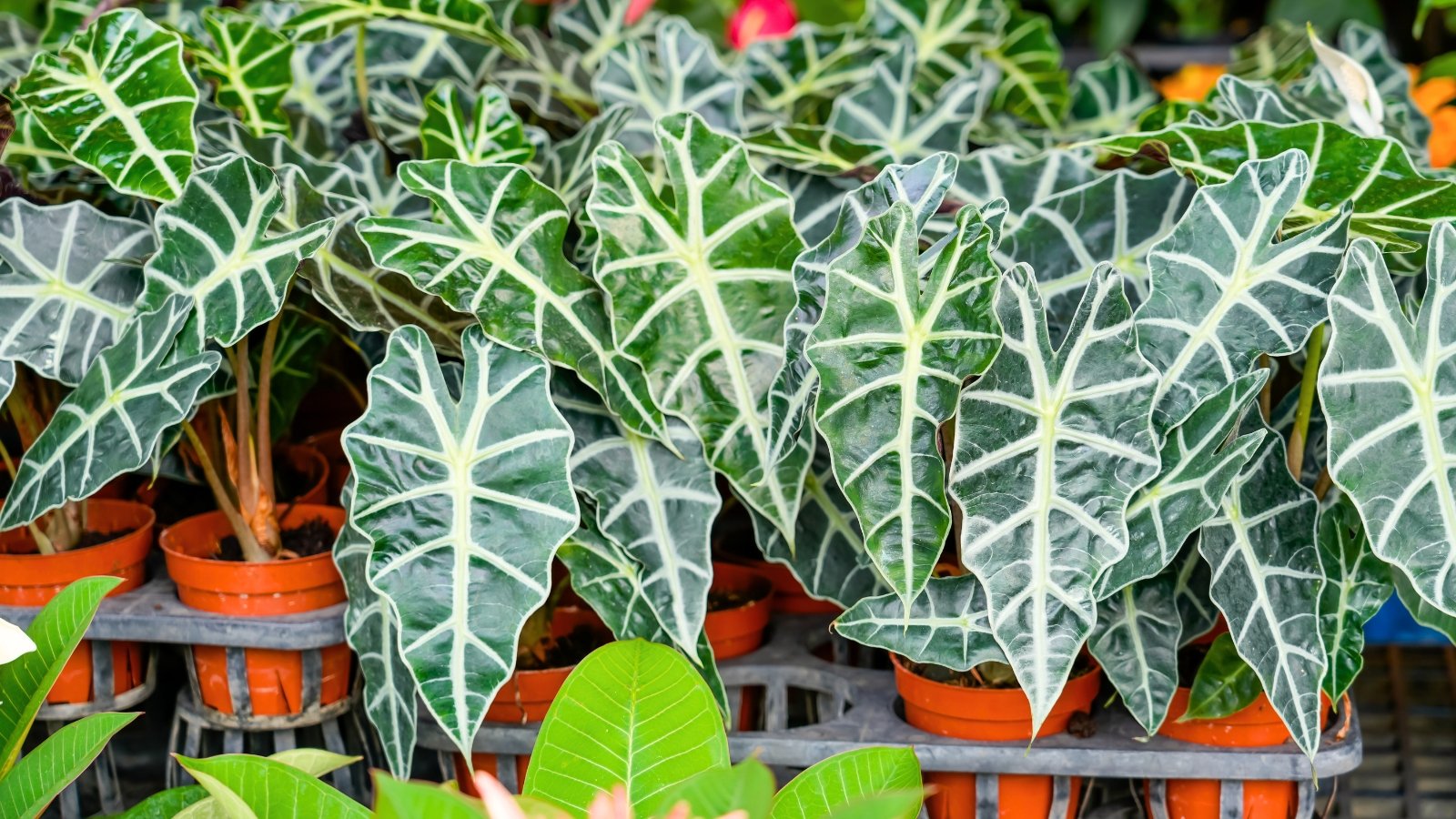
If you’re looking for a houseplant that stands out against small green leaves, Alocasia ‘Polly’ is a great option. These tropical plants have large arrowhead-shaped leaves with wavy margins and a sharp point. Not only is this shape impressive, but the contrast of dark green foliage and white veins is striking.
While these aren’t the most demanding houseplants, they still require care to remain healthy. Keeping the soil slightly moist but not wet is the most challenging aspect, but regularly checking the soil moisture is an easy way to keep the plants happy.
Adding one of the plants to your collection breaks up a sea of green and adds a dramatic touch.
Alocasia ‘Polly’ Overview

|
|
|
|
What Is It?

Alocasia ‘Polly’ is a stunning tropical houseplant known for its dramatic dark green leaves and contrasting white veins. The large leaves have a slender heart shape with wavy margins and a sharply pointed tip. When you combine the foliage’s shape and color, ‘Polly’ becomes one of the most striking houseplants you can add to your home.
Characteristics

Alocasia ‘Polly’ belongs to the Alocasia genus. These plants are known for their large leaves that appear on long leaf stalks known as petioles. Alocasia produces small, unremarkable flowers on a spathe and spadix, which is a characteristic of the Araceae genus.
You can find around 90 Alocasia species growing in the wild, but plant breeders have developed many hybrids that are popular houseplants. Alocasia ‘Polly’ is one of these hybrid Alocasia varieties.
You may also hear people refer to this plant as Alocasia x amazonica or Alocasia x mortfontanensis. Common names include Amazonian elephant ear and African shield plant.
Alocasia ‘Polly’ is a popular houseplant. It thrives in bright yet indirect light and warm temperatures typically found indoors. You can also grow it outdoors in areas where temperatures remain above 40°F (4°C) year-round.
The plants grow between one and two feet tall and develop more leaves as they age. Young plants may only have three or four small leaves, while healthy, older plants can produce more than a dozen leaves that grow up to 18 inches long.
The leaves are thick and leathery and emerge from a tuber, both of which explain the plant’s ability to tolerate brief periods of drought. Each leaf has deep green tops, dark maroon undersides, and thick, white veins.
Native Area

Since Alocasia ‘Polly’ is a hybrid, you won’t find it growing in the wild. However, you can find other members of the Alocasia genus growing in tropical Asia and parts of eastern Australia.
Planting
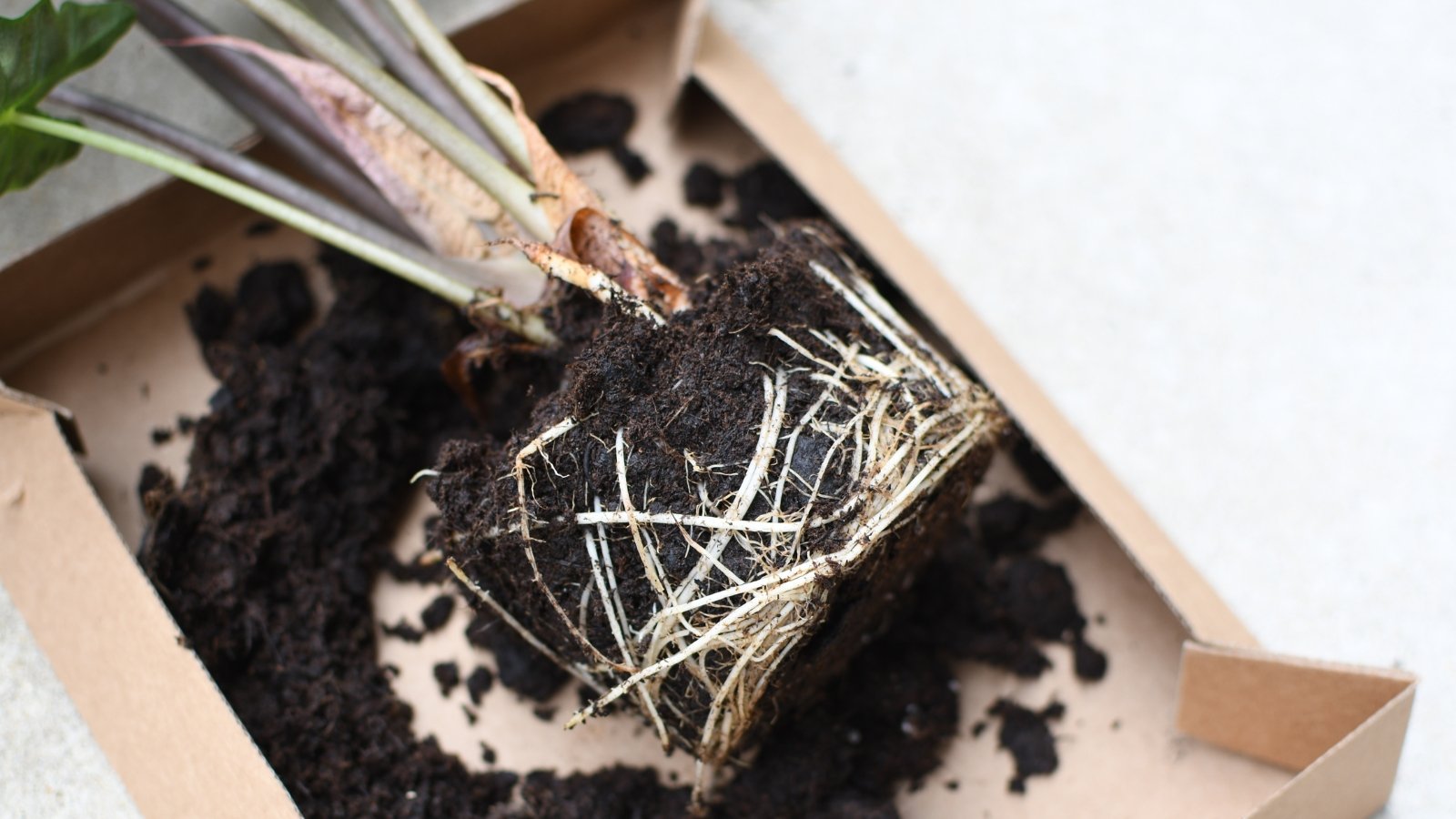
It’s best to start with a small plant if you want to grow Alocasia ‘Polly.’ You can also start with a corm, but a potted plant is the easiest option.
I recommend growing this plant in a container unless you live in a tropical area. Growing it in a pot allows you to move the plant throughout your house easily and also transfer it between the indoors and outdoors.
Planting in a Container
Your first step is choosing a proper container. Look for a pot that’s just a few inches larger than the plant’s current container. You want enough room for the roots to expand, but not so much room that the soil remains excessively moist.
Numerous container materials can work well, including terra cotta, glazed ceramic, and plastic. No matter which option you choose, ensure the bottom has drainage holes.
Next, fill half the container with a well-draining potting mix. Alocasia ‘Polly’ has thick leaves that create drought tolerance and roots that are sensitive to rot, so the plants are prone to overwatering. A mix made with peat moss or coco coir, perlite, and a bit of compost works well.
Gently remove your plant from its original container, then place it in the new pot so the plant’s crown is near the top of the container. Fill in the remaining empty space with more potting mix, then water well.
Planting Outdoors

If you live in a tropical climate where nighttime temperatures remain above freezing year-round, you can grow Alocasia ‘Polly’ outdoors in the ground.
Choose a well-draining location that’s in partial shade and free from compaction. If you’re worried about drainage, you can aerate the soil with a digging fork and add compost and/or peat moss to alleviate compaction.
Once the soil is ready, dig a hole that’s as deep as the plant’s rootball. Place the plant in the hole, then cover with soil.
How to Grow
Alocasia ‘Polly’ doesn’t have complex care requirements, but it appreciates consistent moisture coupled with proper lighting and temperature.
Light

This houseplant prefers medium to bright indirect light. It doesn’t like direct sun, so keep it away from south-facing windows that let in harsh light. The middle of a brightly lit room or next to an east-facing window are two suitable locations.
‘Polly’ can survive in low light, but it will experience slowed growth. If your plant remains the same size for more than a year, try moving it to a brighter location.
If you don’t have a bright area in your home, you can utilize grow lights to provide supplemental lighting. Place the lights about a foot above your plant and leave them on for eight to ten hours each day.
Water

The Amazonian elephant ear requires a low to moderate amount of water. Overwatering the plants will leave the roots susceptible to rot, which can severely harm or even kill the plants. Therefore, it’s best to err on the side of underwatering.
Checking the soil is the best way to determine when to water. Stick your finger in the top of the soil near the base of the plant, and only water when the top third of the soil is dry. Slowly add the water so it has a chance to soak into the soil.
Soil
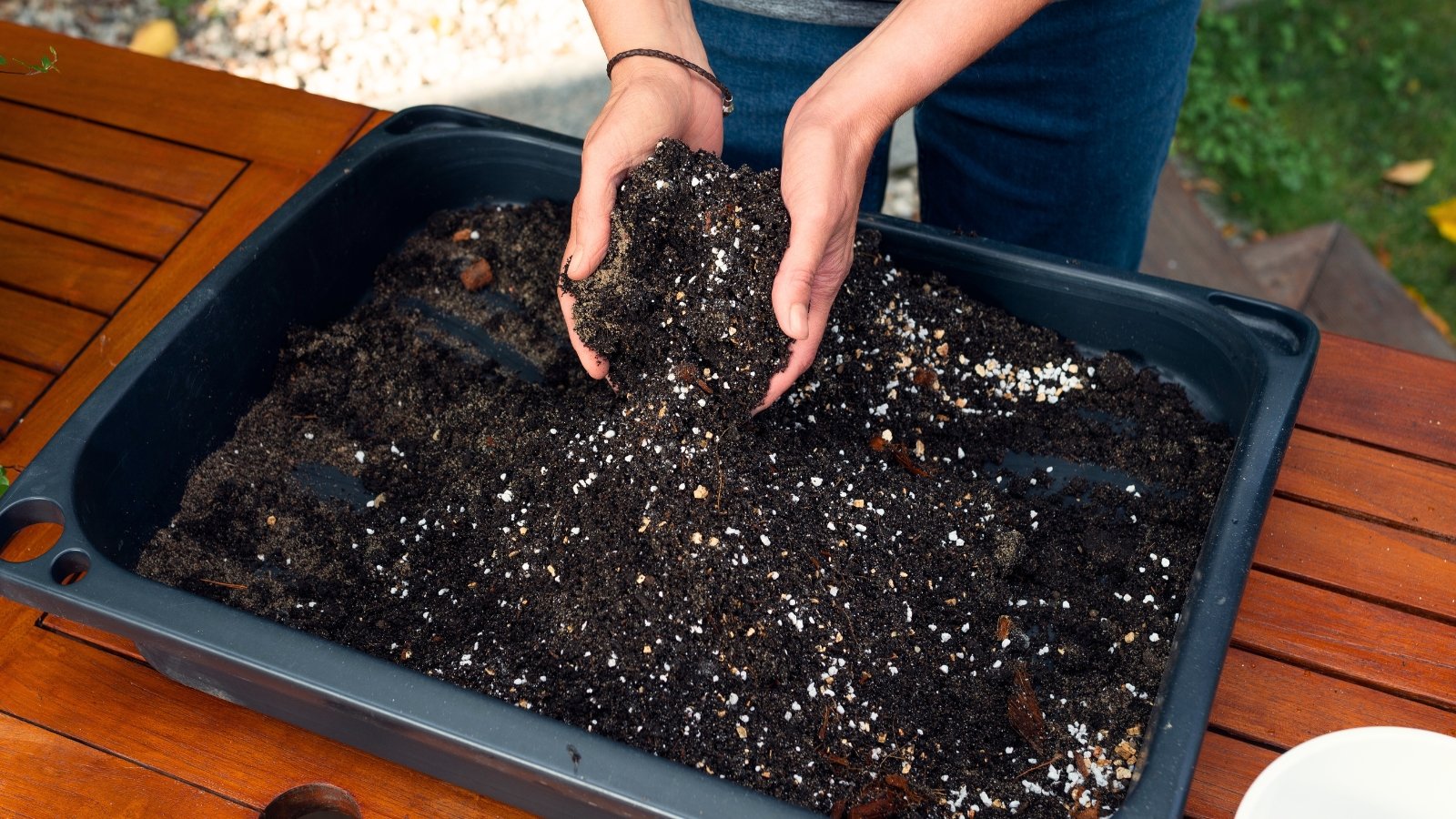
Alocasia ‘Polly’ grows best in loose and well-draining soil that allows excess water to escape. If you’re growing one of these plants in a pot, choose a soilless potting mix that’s designed for tropical houseplants.
Temperature and Humidity

Since these plants’ ancestors evolved in tropical climates, they prefer warm temperatures and moderate to high humidity. Aim to keep the air temperature between 65 and 80°F (18-27°C), and place the plants away from air conditioners, exterior doors, and other cold, drafty areas. The plants can survive temperatures down to 50°F (10°C), but they’ll remain happier when they’re kept warm.
Moderate to high humidity is ideal, but the plants can tolerate brief periods of low humidity. As long as your home isn’t bone dry, they’ll be okay. If the air feels dry to your skin, consider adding a humidifier to keep both yourself and your houseplants happy.
Fertilizing
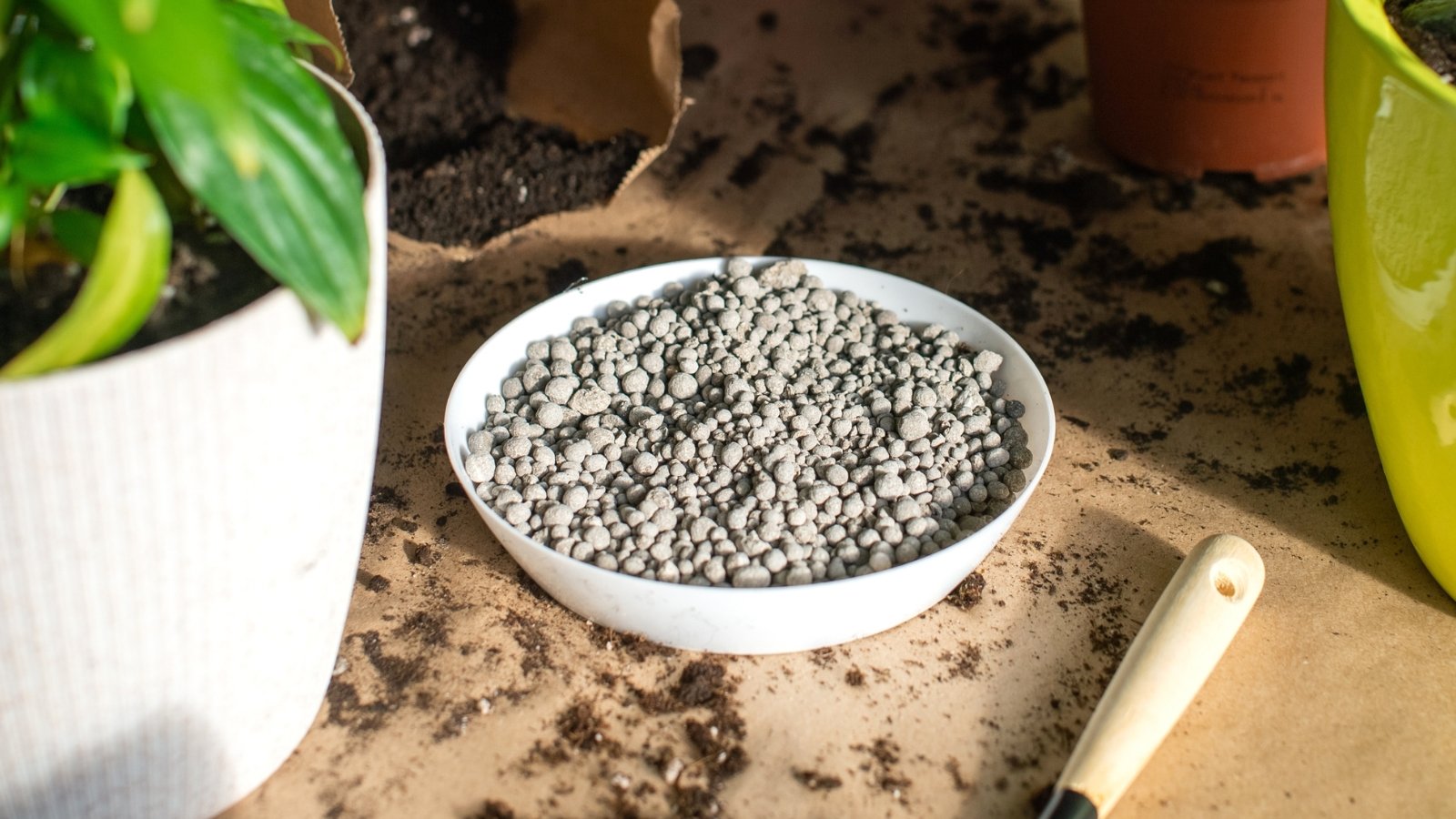
Alocasia ‘Polly’ doesn’t require much fertilizer, but regular applications of a low-dose houseplant fertilizer will provide the plants with the nutrients they need. Look for a liquid fertilizer with an NPK ratio of 1-1-1, and apply it once in mid-spring and again in mid-summer.
Avoid applying strong fertilizers since these can cause nutrient burn. It’s better to underapply nutrients than apply too much fertilizer.
Maintenance
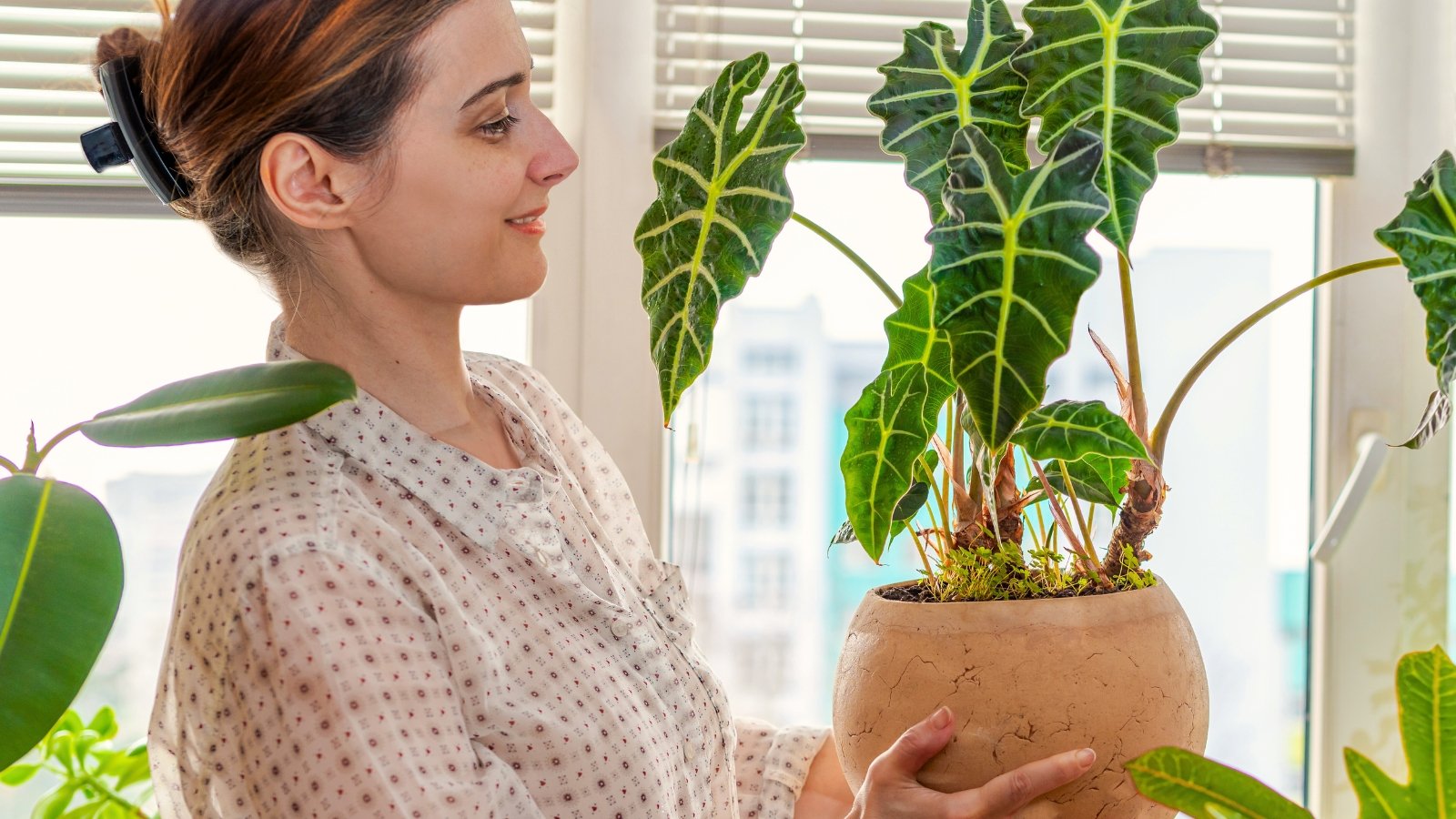
These houseplants require very little maintenance. Providing the proper light and watering when the top of the soil is dry will keep them happy.
As the plants age, they may outgrow their current pot. When this happens, you should repot it into a larger container. Choose a container that’s just a few inches larger than the current container, brush off any old soil, and refill the new pot with fresh potting mix.
Propagation
Alocasia ‘Polly’ isn’t as easy to propagate as houseplants like pothos and trailing philodendrons, but creating a new plant is possible. The best ways to propagate Alocasia include dividing the plants and digging up the corms.
Division
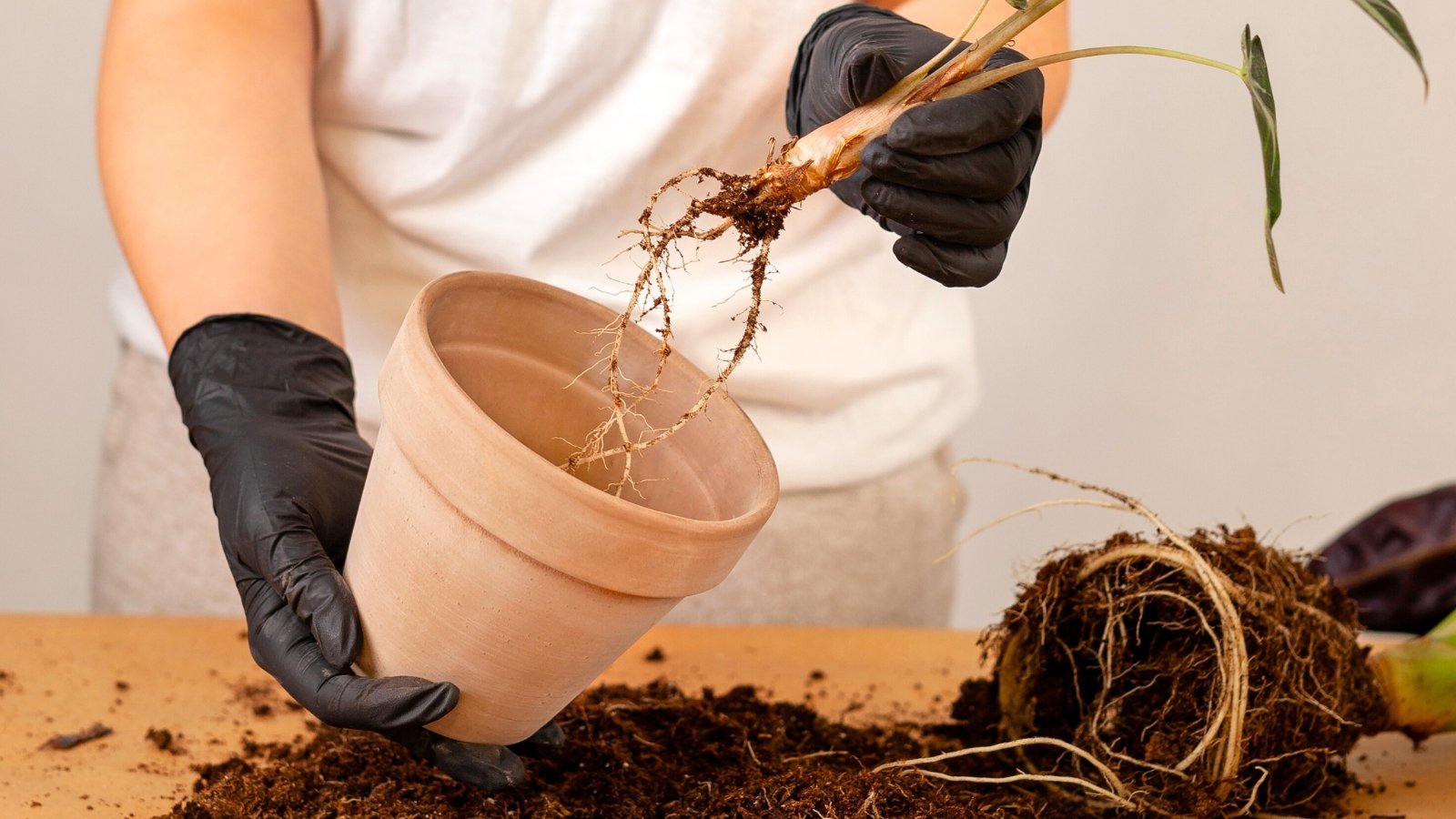
As Alocasia ‘Polly’ plants grow, they often produce new offshoots from the main plant. These offshoots are easy to distinguish since the leaves emerge from a new central point. It’s almost like someone snuck a small plant beside the larger plant you started with.
Separating these offshoots from the parent allows you to propagate a new plant. Start by removing the entire plant from its pot so you can get a good view of the root system. Next, use your hands or a sharp knife to separate the offshoot from the rest of the plant; be sure to remove a healthy section of roots with the leaves.
Repot the offshoot into a new container using the same type of well-draining potting mix. Your plant may look wilted after division, but this isn’t anything to worry about. As long as you keep the soil slightly moist and avoid environmental stress, the plant will recover.
Corms
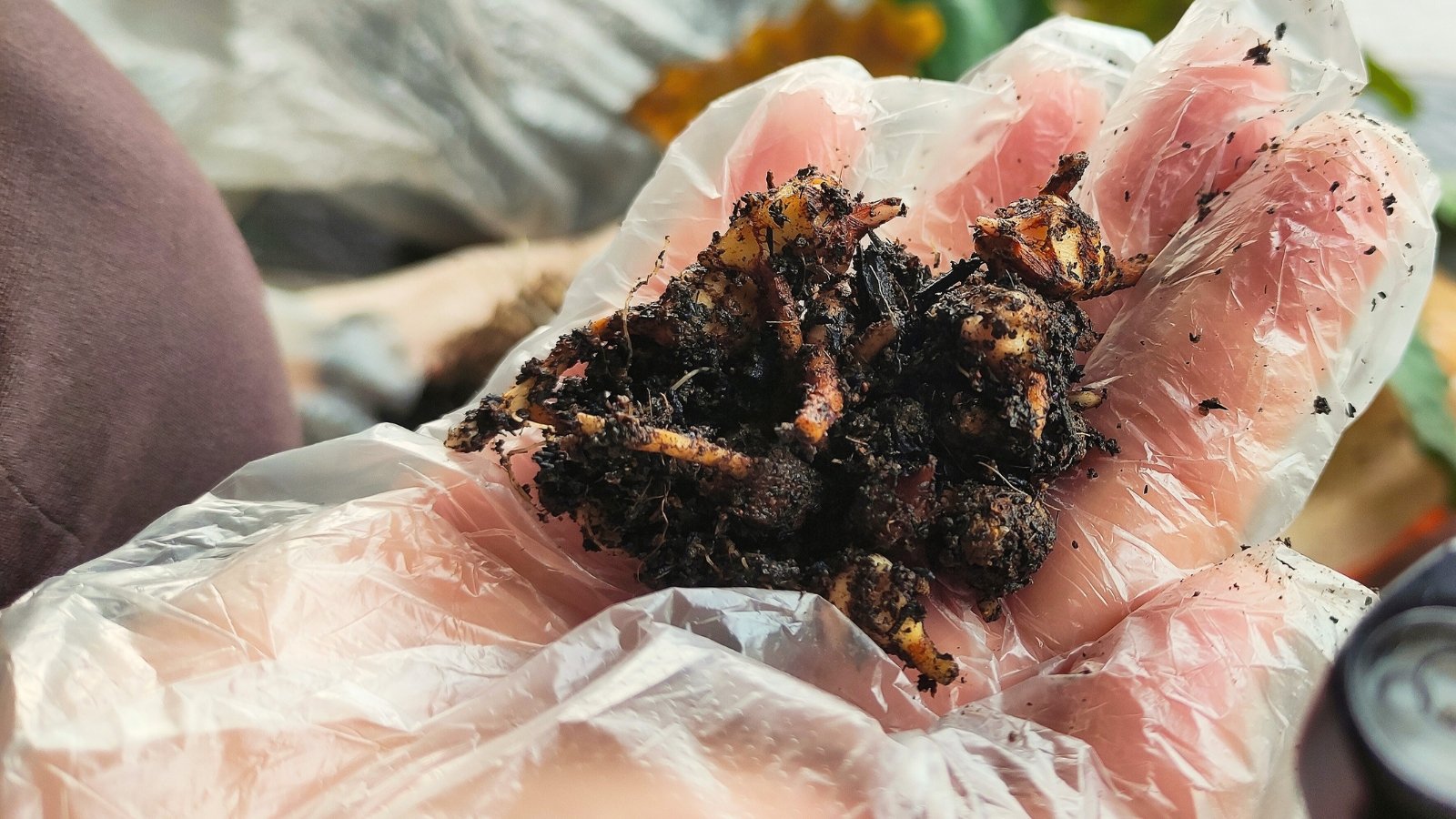
Alocasia ‘Polly’ plants produce small, round corms underneath the soil surface. Repotting is a great time to check for corms and remove them to propagate into new plants.
Once you have your corms, your goal is to encourage them to sprout into new plants. The corms need heat, light, and high humidity to start sprouting. Each houseplant lover has their preferred methods for sprouting corms, but placing the corms in a shallow dish with a bit of water often works well.
Since the corms are small, you can use a container as small as a bottlecap or as large as a bowl. Add just enough water to cover the bottom quarter of the corms. Place a clear dish or piece of plastic wrap over the container to trap in moisture, then set the corms in a warm, bright location.
The corms should begin to sprout within a few weeks to a month. Once they develop roots, you can repot them into a small container filled with potting mix.
Common Problems
Alocasia ‘Polly’ isn’t prone to many problems, but that doesn’t mean it’s immune. Here are a few common issues to watch for.
Spider Mites
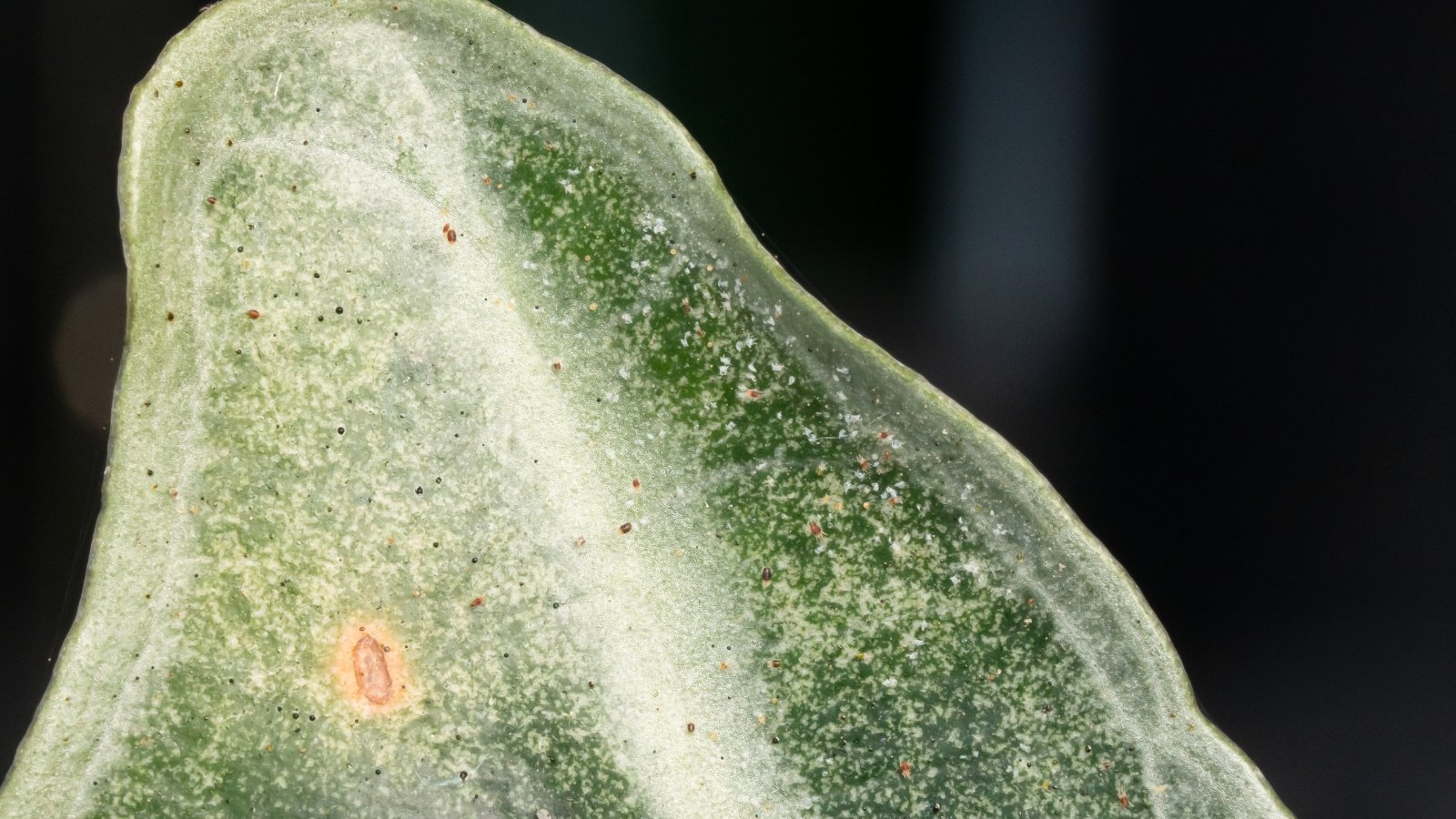
Spider mites are the most common houseplant pest to look out for. Since these pests are so small, you may notice their spider-like webs on your plants before you spot the mites.
After you spot the mites, remove them immediately. Using a wet, soapy rag to wipe off the pests typically works well, but you can also spray them with neem oil or insecticidal soap.
Spider mites often enter the home on infected plants, so check each plant thoroughly before bringing it indoors. You can also quarantine new plants in a separate room for a few weeks to allow time to spot any hidden pests.
Root Rot
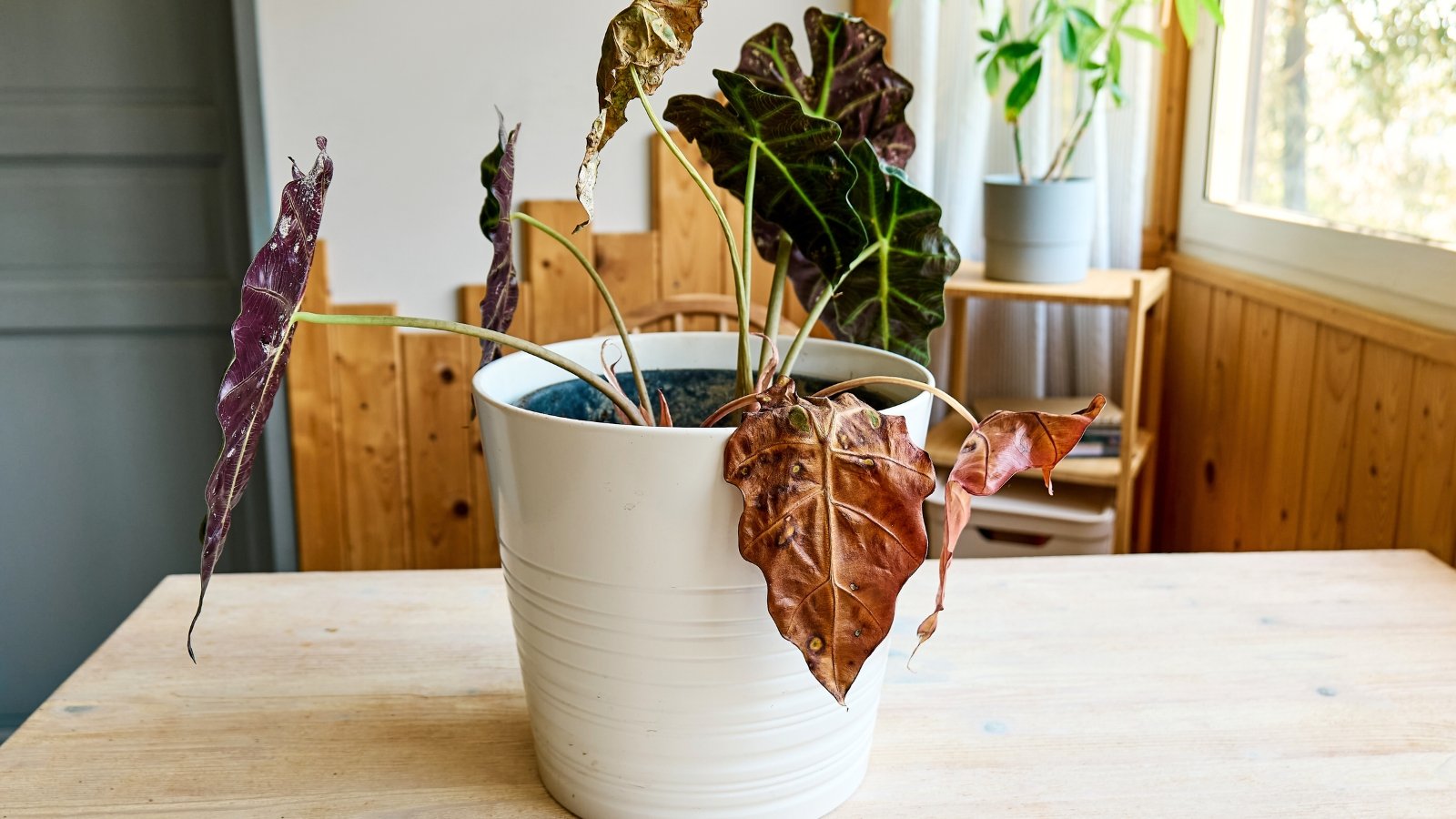
Root rot is a generic term that refers to numerous types of fungi and bacteria that infect plant roots. These pathogens cause soft roots that struggle to absorb water and nutrients. Therefore, infected plants may look wilted even if they have access to plenty of water.
The best way to prevent root rot is to avoid wet soil. Use a well-draining potting mix and only water when the top third of the soil is dry.
If you suspect your plants have root rot, reduce the amount of water you give them. Moderately infected plants may recover, but severe infections can kill the plant.
Frequently Asked Questions
Yes, these plants are moderately toxic when ingested. Some people also find the plant’s sap irritating when touched.
The plant’s lifespan depends on care, but healthy plants can live for multiple decades. Repotting the plants will help keep them happy and allow them to live for years.